

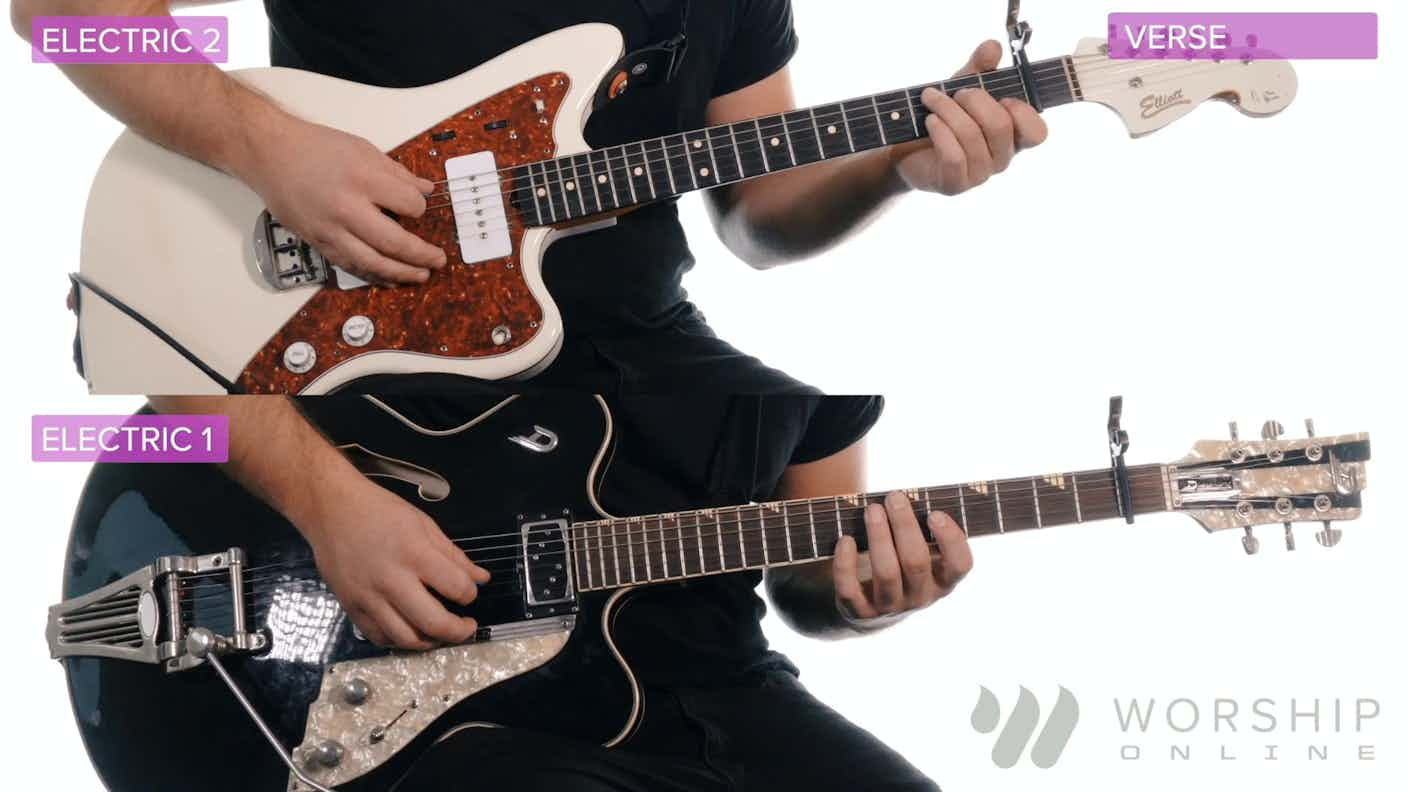
INTRO
VERSE 1
When I consider the
work of His fingers
What His hands have made
I stand in awe, I'm full of wonder
At a loss for what to say
But I feel a stirring,
deep in my spirit
And the pull is just too great
Oh I can't help it, I can't help but
work of His fingers
What His hands have made
I stand in awe, I'm full of wonder
At a loss for what to say
But I feel a stirring,
deep in my spirit
And the pull is just too great
Oh I can't help it, I can't help but
CHORUS 1
Worship, worship
Worship
the Lord, I will
Worship, worship
Worship the Lord
For who He is and all He's done
Because He lives
we overcome, I will
Worship, worship
Worship the Lord
Worship
the Lord, I will
Worship, worship
Worship the Lord
For who He is and all He's done
Because He lives
we overcome, I will
Worship, worship
Worship the Lord
TURNAROUND
VERSE 2
When I consider
the love of the Savior
And His unrelenting grace
A heart full of passion,
in total surrender
He never backed away
It starts a stirring,
deep in my spirit
And the pull is just too great
Oh I can't help it, I can't help but
the love of the Savior
And His unrelenting grace
A heart full of passion,
in total surrender
He never backed away
It starts a stirring,
deep in my spirit
And the pull is just too great
Oh I can't help it, I can't help but
CHORUS 1
Worship, worship
Worship the Lord, I will
Worship, worship
Worship the Lord
For who He is and all He's done
Because He lives
we overcome, I will
Worship, worship
Worship the Lord
Worship the Lord, I will
Worship, worship
Worship the Lord
For who He is and all He's done
Because He lives
we overcome, I will
Worship, worship
Worship the Lord
BRIDGE 2X
The wonder-working, new life birthing
God who makes a way
Past erasing, sinner saving
God who empties graves
Jehovah Jireh, He's my provider
I'll bless His holy name
I can't help but praise
God who makes a way
Past erasing, sinner saving
God who empties graves
Jehovah Jireh, He's my provider
I'll bless His holy name
I can't help but praise
CHORUS 2
Worship, worship
Worship the Lord, I will
Worship, worship
Worship the Lord, I will
Worship the Lord, I will
Worship, worship
Worship the Lord, I will
CHORUS 1
Worship, worship
Worship the Lord, I will
Worship, worship
Worship the Lord
For who He is and all He's done
Because He lives
we overcome, I will
Worship, worship
Worship the Lord
Worship the Lord, I will
Worship, worship
Worship the Lord
For who He is and all He's done
Because He lives
we overcome, I will
Worship, worship
Worship the Lord
OUTRO 2X
Worship! - In the Bible [Verses & Devotional]
“When I consider the work of His fingers…” — that line at the start of TAYA’s Worship! is an invitation to the same kind of awe the psalmist felt. Psalm 8:3 says, “When I consider your heavens, the work of your fingers, the moon and the stars, which you have set in place,” and you can hear the same smallness and wonder in the lyric. That moment of looking up at creation and being made quiet by it is the soil out of which worship grows. Psalm 19:1 (“The heavens declare the glory of God”) and Psalm 95:6 (“Oh come, let us worship and bow down; let us kneel before the LORD, our Maker”) sit right beside that opening thought: our response to the magnitude and beauty of what God has made is to fall into worship.
But the song doesn’t stop at creation—“When I consider the love of the Savior / And His unrelenting grace” draws us from the external wonder of the cosmos into the scandalous nearness of the cross. Romans 5:8 — “God shows his love for us in that while we were still sinners, Christ died for us” — explains why this love arrests us. It’s not distant beauty we admire; it’s rescue. The lyric “He never backed away” echoes the promise that nothing can separate us from Christ’s commitment (Romans 8:38–39) and the faithfulness God promises to his people (Hebrews 13:5). When you think on that, worship is less a polished performance and more an inevitable, breath-caught response: “I can’t help it, I can’t help but…”
That involuntary stirring “deep in my spirit” the song describes is also biblical. The Spirit moves in us in ways that raise songs where no words were planned. Think of Acts 2, where the Spirit falls and people respond in praise and proclamation, or Psalm 40:3, where God puts “a new song” in the mouth of the psalmist. Worship in Scripture often looks like a natural overflow of encounter—something that wells up and cannot be contained.
The refrain—“Worship the Lord… For who He is and all He’s done… Because He lives we overcome”—ties worship directly to both identity and victory. “For who He is” finds its home in Revelation 4:11 and Psalm 145:3: we worship because God is worthy, beyond bargaining. “For all He’s done” is the redemptive history we sing back to him—creation, covenant, cross, resurrection. “Because He lives we overcome” is a bold theological claim found across Scripture: Jesus’ resurrection is the hinge of hope (1 Corinthians 15:20–22), and because Christ lives, we have victory (1 Corinthians 15:57; Romans 8:37). Jesus himself said, “In this world you will have trouble. But take heart; I have overcome the world” (John 16:33). Worship, then, is not mere sentimental emotion—it's a declaration of the reality that the risen King has already won the decisive battle, and therefore we live and fight from victory, not for it.
Listen to the bridge—“The wonder-working, new life birthing / God who makes a way / Past erasing, sinner saving / God who empties graves.” Those phrases bring to mind Ezekiel’s valley of dry bones (Ezekiel 37), where God brings literal deadness back to breath; Lazarus being called out of the tomb in John 11; and the personal reality of being made new in 2 Corinthians 5:17. “Past erasing” is echoed in Hebrews 8:12 (“I will remember their sins no more”) and Colossians 2:13–14, where our legal record is canceled. The song’s images are biblical images: God is in the business of turning last places into new beginnings, converting tombs into altars of praise. That’s precisely why the singer can’t help but worship—worship is the human response to the God who reverses death and erases shame.
“Jehovah Jireh, He’s my provider” names God the provider (Genesis 22:14) and invites reliance in the way Scripture does in Philippians 4:19 and Matthew 6:25–34. To worship as Jehovah Jireh’s people is to bring our needs and fears into a posture of trust, blessing his holy name in both plenty and lack. When we sing “I’ll bless His holy name,” we’re echoing Psalm 103 and Psalm 34’s continual calls to bless God for who he is and what he does.
This song also gently reminds us that worship is not only corporate singing on Sunday; it is a posture that should spill into everyday life. The same awe you feel at the stars can inform how you respond to hard phone calls; the same gratitude for forgiveness can shape the way you treat others; the confidence that “because He lives we overcome” can change how you face your own “graves”—the places of loss, addiction, shame, loneliness. Worship shapes posture and practice: it makes praise a practice for the vulnerable, a discipline for the frightened, and a weapon for the weary.
So hear the invitation that runs through the lyrics and the Scriptures together: let what is true about God sink into you so deeply that praise is unavoidable. Let creation remind you of his majesty; let the cross remind you of his steadfast love; let the resurrection remind you of your hope; let his provision remind you of your dependence. When these threads are woven together, worship ceases to be an obligation and becomes a delighted habit that transforms how you see yourself and the world.
If this song were asking you to respond right now, what would that response look like? Would it be a single whispered “thank you,” a choice to forgive someone, a step of faith you’ve been avoiding, or simply a surrender of control? Take a moment and name the “grave” you want God to empty—and then ask: if I truly believed “because He lives we overcome,” what is the one thing I would do differently today?