

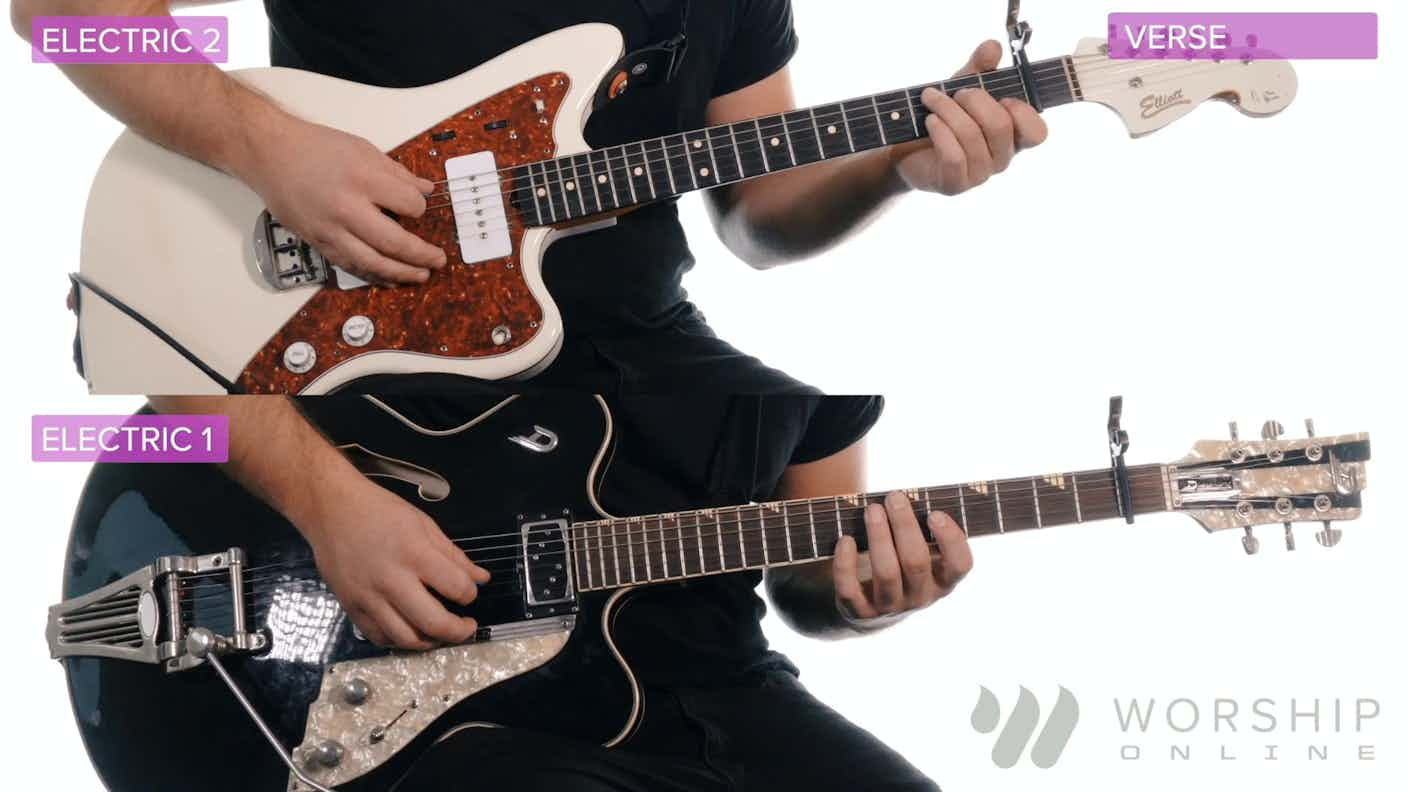
INTRO
VERSE 1
Word of God, upon the throne
In majesty and strength
Surrounded by an endless song
That all of heaven sings
In majesty and strength
Surrounded by an endless song
That all of heaven sings
CHORUS 1
Holy, wonderful, marvelous, glorious
Omnipotent, righteous and mighty
We praise You, we lift You up
We magnify, we glorify
We exalt You, we extol You
We adore You, hallelujah
Omnipotent, righteous and mighty
We praise You, we lift You up
We magnify, we glorify
We exalt You, we extol You
We adore You, hallelujah
TURNAROUND
VERSE 2
The One who was, the One who is
Behold the great I AM
With holy hands, we lift You high
Our God, the Lord of all
Behold the great I AM
With holy hands, we lift You high
Our God, the Lord of all
TAG
Our God, the Lord of all
CHORUS 2 2X
Holy, wonderful, marvelous, glorious
Omnipotent, righteous and mighty
We praise You, we lift You up
We magnify, we glorify
We exalt You, we extol You
We adore You, hallelujah
Omnipotent, righteous and mighty
We praise You, we lift You up
We magnify, we glorify
We exalt You, we extol You
We adore You, hallelujah
BRIDGE 1
Glory to the Lamb once slain
Glory to the King who reigns
Glory to the One worthy of all
There is only One who saves
There is only One, we praise
There is only One, worthy of all
Glory to the King who reigns
Glory to the One worthy of all
There is only One who saves
There is only One, we praise
There is only One, worthy of all
CHORUS 3
Holy, wonderful, marvelous, glorious
Omnipotent, righteous and mighty
We praise You, we lift You up
We magnify, we glorify
We exalt You, we extol You
We adore You, hallelujah
Omnipotent, righteous and mighty
We praise You, we lift You up
We magnify, we glorify
We exalt You, we extol You
We adore You, hallelujah
BRIDGE 2
Glory to the Lamb once slain
Glory to the King who reigns
Glory to the One worthy of all
There is only One who saves
There is only One, we praise
There is only One, worthy of all
Glory to the King who reigns
Glory to the One worthy of all
There is only One who saves
There is only One, we praise
There is only One, worthy of all
INSTRUMENTAL 2X
INTERLUDE 2X
REFRAIN 1 3X
Hallelujah, hallelujah
Hallelujah, hallelujah
Hallelujah, hallelujah
REFRAIN 2
Hallelujah, hallelujah
Hallelujah, hallelujah
Hallelujah, hallelujah
CHORUS 4
Holy, wonderful, marvelous, glorious
Omnipotent, righteous and mighty
We praise You, we lift You up
We magnify, we glorify
We exalt You, we extol You
We adore You, hallelujah
Omnipotent, righteous and mighty
We praise You, we lift You up
We magnify, we glorify
We exalt You, we extol You
We adore You, hallelujah
Holy Hands - In the Bible [Verses & Devotional]
When I listen to "Holy Hands," I hear more than a powerful chorus — I hear a Biblical declaration dressed in modern words. The song names Jesus as the Word on the throne, the great "I AM," the Lamb who was slain and the King who reigns; it invites us to lift holy hands and join heaven’s endless song. Each of those images has deep roots in Scripture, and when we trace them, the song becomes not only a beautiful moment of worship but an invitation to live the theology it proclaims.
The opening line, "Word of God, upon the throne," points straight to John 1 and Hebrews 1, where the Scriptures identify Jesus as the Word and the radiance of God’s glory (John 1:1, 14; Hebrews 1:3). The picture of the Word enthroned reminds us that God’s communication to us is not abstract — it is personal, embodied, sovereign. Revelation gives a similar worship scene when the throne-room bursts into ceaseless praise (Revelation 4–5). That image is echoed in the lyric “surrounded by an endless song that all of heaven sings,” and we can hear Isaiah’s seraphim cry, “Holy, holy, holy” (Isaiah 6:1–3) and the living creatures and elders in Revelation declaring God’s worthiness (Revelation 4:8; 5:11–12).
The chorus strings together ancient names for God — Holy, wonderful, marvelous, glorious, omnipotent, righteous and mighty — words Scripture uses again and again to describe who God is. Psalm 145:3 says, “Great is the Lord, and greatly to be praised,” and Psalm 96 calls on the nations to ascribe to the Lord the glory due his name because of his marvelous deeds. The listing of attributes in the song functions like an Old Testament doxology: it reminds us that worship is truthful speech about God’s character, and truth about God fuels our praise.
When the song says, “The One who was, the One who is / Behold the great I AM,” it reaches back to Exodus 3:14 — God’s self-revelation to Moses — and forward to Jesus’ own claims: “Before Abraham was, I am” (John 8:58). Revelation’s voice that speaks of “who is and who was and who is to come” (Revelation 1:4) ties the eternal nature of God to the saving work we celebrate. That continuity — God who is timeless yet active in history — is central to Christian hope: the God who saves is not a distant relic but the living, present Lord.
There’s something striking and intimate in the line “With holy hands, we lift You high.” In the Psalms, lifting hands is an image of worship and dependence (Psalm 134:2; Psalm 63:4), and Paul prays for worshipers to be able to lift “holy hands without anger or disputing” (1 Timothy 2:8). The adjective “holy” matters: lifted hands aren’t merely celebratory gestures; they are acts of consecration, of giving our whole selves — our time, our bodies, our agendas — back to God. Hands are what we use to work, to hold, to bless, to feed; the song suggests, gently but insistently, that those same hands are meant to be lifted in surrender and praise.
When the bridge declares, “Glory to the Lamb once slain / Glory to the King who reigns,” it places the paradox of the cross before us — the crucified One is at the same time the reigning King. Revelation 5 calls the Lamb both slain and worthy of power, riches, wisdom, strength, honor, glory, and blessing (Revelation 5:9–12). The New Testament repeatedly points out that salvation comes through the crucified and risen Christ (1 Peter 1:18–19; Hebrews 9:12). The song captures that tension: the One who gave himself can now be worshipped as sovereign. This is why the line “There is only One who saves” echoes passages like Acts 4:12 and Isaiah 43:11 — salvation is anchored in the person and work of Jesus alone.
That repetition of “Hallelujah” that closes the song is not merely musical punctuation; it’s liturgical formation. Psalm 150 and many other psalms use repeated calls to praise to teach us how to live: let everything that has breath praise the Lord (Psalm 150:6). The song is forming a habit of acknowledgment — naming truth about God until it reshapes our hearts and our actions.
So what does this mean for us practically? The song is more than a feel-good moment; it’s a summons to posture. To sing “holy hands” is to accept that our worship must be rooted in true knowledge of who God is (the Word, the I AM, the Lamb), and in the life-change that truth requires. It’s an invitation to let our actions (what our hands do) align with our declarations (what our mouths sing). If the God we ascribe as omnipotent and righteous is truly the Lord of all (Colossians 1:15–17, Psalm 24:1), then our work, our rest, our relationships, and our decisions should be offered to and informed by him.
So hear the song as Scripture singing back to you: it recites the high notes of biblical truth and asks for a response that’s both vocal and vocational. It celebrates the cross and the crown, the eternal name, and the everyday lift of hands.
If the God you sing about is the One who “was and is” and who alone saves, what would it look like for your daily hands — the hands that work, hold, create, and worry — to become holy hands lifted in surrender and service today?