

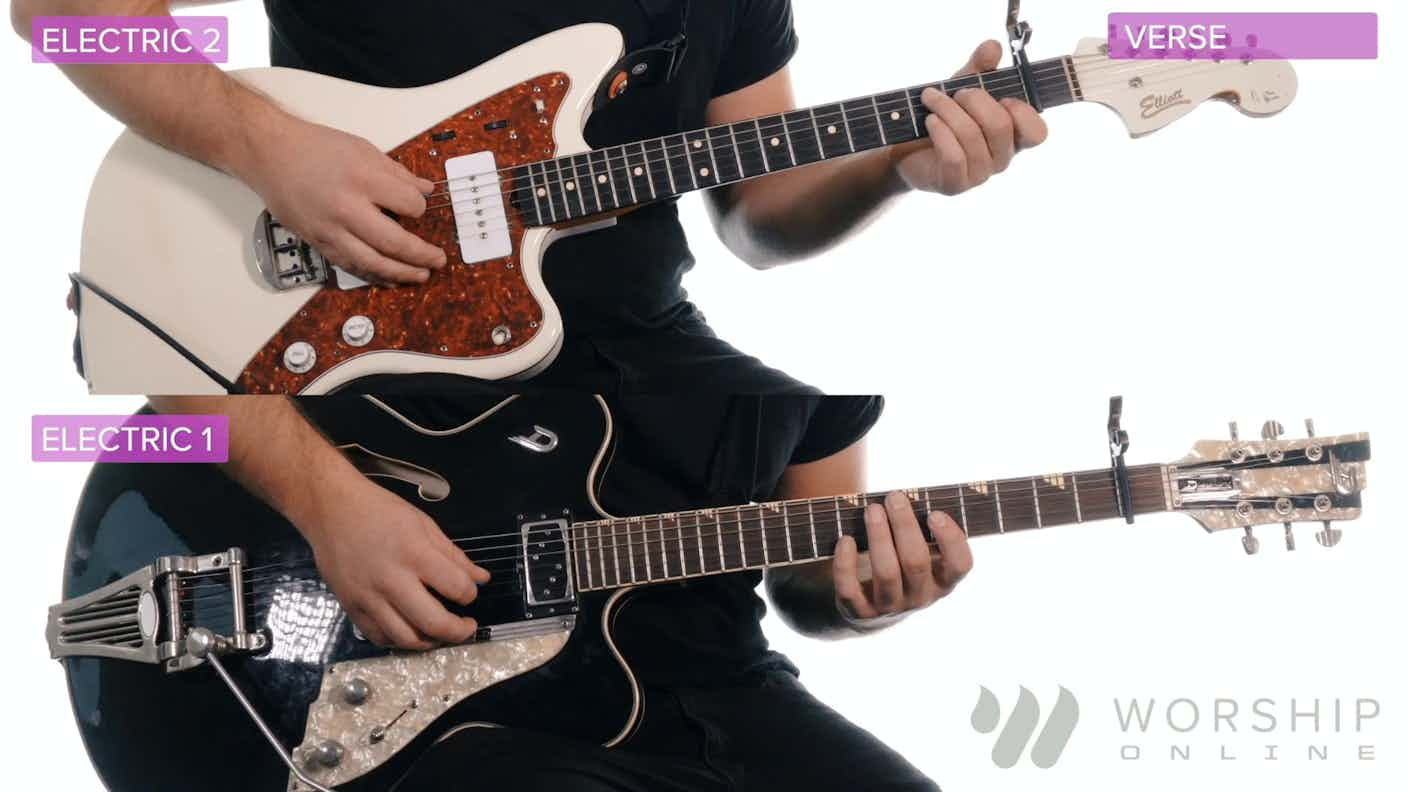
INTRO
VERSE 1
Every day, in Your hands
You were there
before time began
Sovereign One, I rest in
Your plan
From the depths, to the dawn
You are there,
Your promise is strong
I will trust with all that I am
You were there
before time began
Sovereign One, I rest in
Your plan
From the depths, to the dawn
You are there,
Your promise is strong
I will trust with all that I am
CHORUS
Jesus, Jesus, oh how I need You
You stay the same
You are good in Your ways
Jesus, Jesus, oh how I need You
You are enough
All my trust is in You, Lord
You stay the same
You are good in Your ways
Jesus, Jesus, oh how I need You
You are enough
All my trust is in You, Lord
TURNAROUND
VERSE 2
You fashioned me, formed my heart
Search my soul,
and know every thought
Love so great, but never
too far
Through the storm, You’re the calm
Every war,
You’ve already won
Life secure in Your loving arms
Search my soul,
and know every thought
Love so great, but never
too far
Through the storm, You’re the calm
Every war,
You’ve already won
Life secure in Your loving arms
CHORUS
Jesus, Jesus, oh how I need You
You stay the same
You are good in Your ways
Jesus, Jesus, oh how I need You
You are enough
All my trust is in You, Lord
You stay the same
You are good in Your ways
Jesus, Jesus, oh how I need You
You are enough
All my trust is in You, Lord
INTERLUDE
BRIDGE 1
You are powerful, God above it all
I believe in You, I believe in You
You do miracles, the impossible
I believe in You, I believe in You
I believe in You, I believe in You
You do miracles, the impossible
I believe in You, I believe in You
BRIDGE 1
You are powerful, God above it all
I believe in You, I believe in You
You do miracles, the impossible
I believe in You, I believe in You
I believe in You, I believe in You
You do miracles, the impossible
I believe in You, I believe in You
BRIDGE 2
You are powerful, God above it all
I believe in You, I believe in You
You do miracles, the impossible
I believe in You
I believe in You, I believe in You
You do miracles, the impossible
I believe in You
CHORUS
Jesus, Jesus, oh how I need You
You stay the same
You are good in Your ways
Jesus, Jesus, oh how I need You
You are enough
All my trust is in You, Lord
You stay the same
You are good in Your ways
Jesus, Jesus, oh how I need You
You are enough
All my trust is in You, Lord
BRIDGE 1
You are powerful, God above it all
I believe in You, I believe in You
You do miracles, the impossible
I believe in You, I believe in You
I believe in You, I believe in You
You do miracles, the impossible
I believe in You, I believe in You
BRIDGE 2
You are powerful, God above it all
I believe in You, I believe in You
You do miracles, the impossible
I believe in You, I believe in You
I believe in You, I believe in You
You do miracles, the impossible
I believe in You, I believe in You
ENDING
How I Need You - In the Bible [Verses & Devotional]
There’s a beautiful simplicity to the refrain “Jesus, Jesus, oh how I need You”—it’s both a confession and a steadying anchor. When Highlands Worship sings, “Every day, in Your hands / You were there before time began,” my mind goes straight to passages like Psalm 90:2, which declares that God is everlasting, “from everlasting to everlasting,” and Colossians 1:17, that in Him “all things hold together.” Those lines in the song remind us that our dependence on Jesus is not a last‑resort plea but a response to One who existed before time and whose plans are sovereign and trustworthy (Isaiah 46:9–10). When the lyric says, “Sovereign One, I rest in Your plan,” it resonates with Proverbs 3:5–6—an invitation to trust God with what we cannot control and to lean not on our own understanding.
The song’s tender confession “You fashioned me, formed my heart / Search my soul, and know every thought” brings Psalm 139 to mind in the clearest way. David’s wonder at being “knit together” in the womb and at a God who searches him completely (Psalm 139:13–16; 139:23–24) is the biblical mirror of this intimacy: God does not keep a safe distance. He knows the hidden fears, the anxious calculations, the places we hide even from ourselves. That knowledge is not cold surveillance but the posture of a loving Creator who has shaped us and continues to care for us personally. When the song follows with “Love so great, but never too far,” it echoes Jeremiah 1:5 and Romans 8:38–39—truths that say we are known, called, and inseparable from the love of God.
The bridge’s repeated cry—“You are powerful, God above it all… You do miracles, the impossible”—invites us to remember that God’s power is not theoretical. Scripture points to the same truth: Jesus still does what seems humanly impossible (Matthew 19:26; Luke 1:37), and Ephesians 3:20 reminds us He is able to do “immeasurably more” than we ask or imagine. But the song pairs belief and dependence: “I believe in You” is more than assent; it’s trust that reorients how we live in ordinary days and in crisis. It’s the bridge between doctrine and daily life—acknowledging God’s power leads us back to trusting Him with practical things: relationships, fears, decisions, finances, and the small moments where faith is tested.
So what does this mean for you and me in our everyday rhythm? First, let these lyrics lead you back to Scripture—to pray the Psalms that sing of God’s presence, to claim Hebrews 13:8 when seasons feel uncertain, and to kneel with Psalm 139 as a reminder that God truly knows and still loves you. Second, let this song shape the posture of your heart: dependence is not weakness but the faithful stance of a child toward a good Father. When you find yourself trying to “win” a war on your own—be it coping with anxiety, managing relationships, or fixing a broken plan—remember the clear refrain: some battles Jesus has already won. That doesn’t remove responsibility, but it does change the posture from frantic striving to humble reliance. Third, practice confessing out loud what the song confesses internally: “You are enough.” Say it when you wake, when you face a decision, when you stare at a long to‑do list. Let the affirmation fight the lie that your significance or security is tied to performance.
As you leave this reflection, hold the song and the Scriptures together like hands holding a fragile lamp—one shining the language of the heart; the other, the steady light of truth. Both call you to trust, to rest, and to believe in a God who is present, powerful, and personally invested in your life. So here’s a question to sit with this week: in what area of your life are you still trying to carry the burden alone instead of resting in the victory and sufficiency of Jesus—and what would it look like to hand that over to Him right now?