

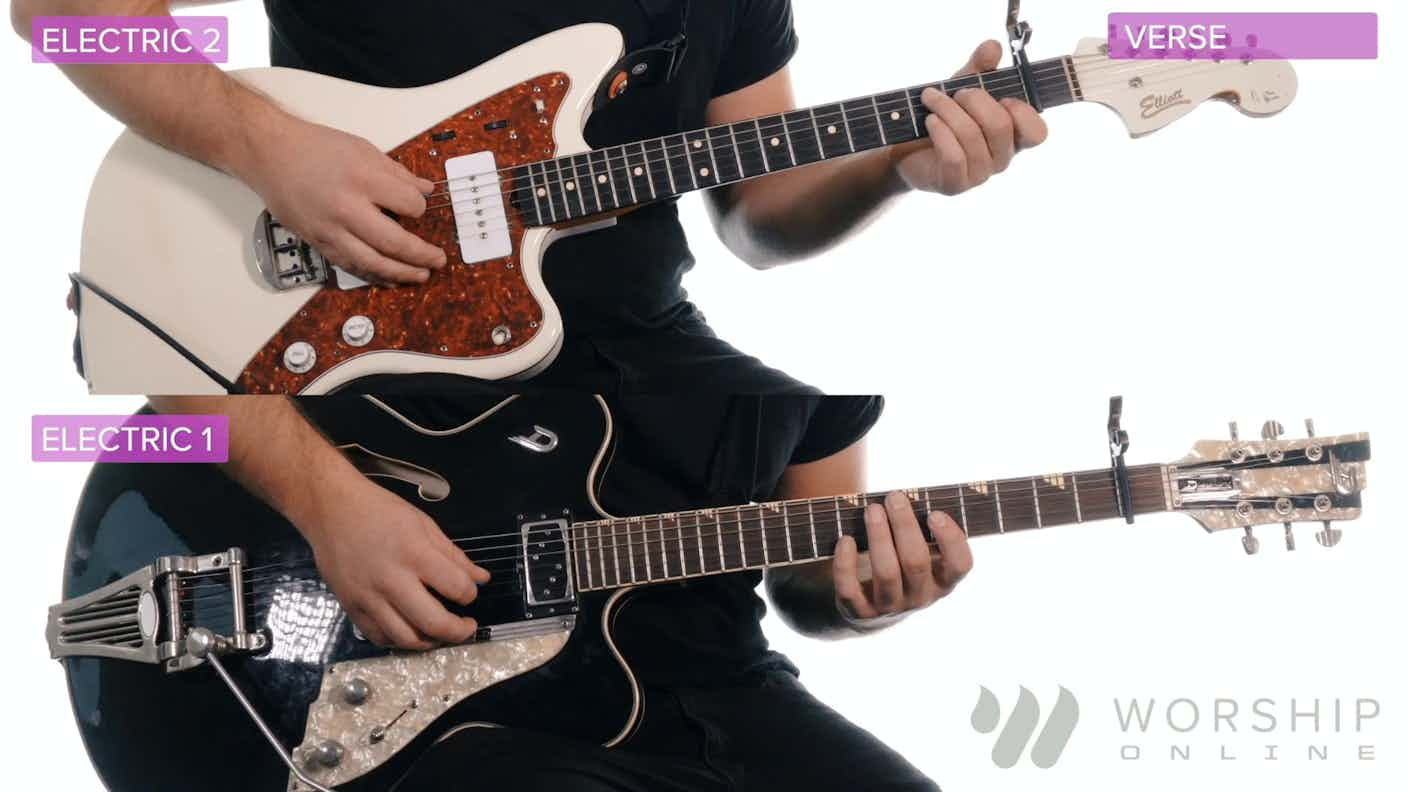
INTRO
VERSE 1
My life is built on
Your faithfulness
My hope is held in
Your promises
I take each step with
Your confidence
Cause I am Yours
I am Yours
Your faithfulness
My hope is held in
Your promises
I take each step with
Your confidence
Cause I am Yours
I am Yours
CHORUS 1
You never fail
You never will
I'll trust Your name for
greater things
You will come through
You always do
I'll trust Your name
For greater things
You never will
I'll trust Your name for
greater things
You will come through
You always do
I'll trust Your name
For greater things
TURNAROUND
VERSE 2
You cleared a way in the wilderness
You brought me back
from my brokenness
You took my shame and You buried it
What You've done
I won't forget
You brought me back
from my brokenness
You took my shame and You buried it
What You've done
I won't forget
CHORUS 2 2X
You never fail
You never will
I'll trust Your name for
greater things
You will come through
You always do
I'll trust Your name
For greater things
You never will
I'll trust Your name for
greater things
You will come through
You always do
I'll trust Your name
For greater things
BRIDGE 1
I will not fear
For You are with me
I'll see this fight
From the victory
And no pow'r of hell
Can stand against me
Cause I've seen this fight
From the victory
For You are with me
I'll see this fight
From the victory
And no pow'r of hell
Can stand against me
Cause I've seen this fight
From the victory
BRIDGE 2
I will not fear
For You are with me
I'll see this fight
From the victory
And no pow'r of hell
Can stand against me
Cause I've seen this fight
From the victory
For You are with me
I'll see this fight
From the victory
And no pow'r of hell
Can stand against me
Cause I've seen this fight
From the victory
CHORUS 2 2X
You never fail
You never will
I'll trust Your name for
greater things
You will come through
You always do
I'll trust Your name
For greater things
You never will
I'll trust Your name for
greater things
You will come through
You always do
I'll trust Your name
For greater things
OUTRO
Greater Things - In the Bible [Verses & Devotional]
There’s something about this song—its steady heartbeat of testimony and trust—that invites you to stand up a little straighter, breathe a little deeper, and shift your gaze from the problem to the God who has been faithful. When Mack Brock sings, “My life is built on Your faithfulness… I’ll trust Your name for greater things,” he’s not offering vague optimism; he’s echoing the rhythm of Scripture: remember what God has done, let that memory ground your present confidence, and expect that He’s able to do more than you can ask.
When the chorus says “I’ll trust Your name for greater things,” two passages come to mind that deepen what “greater things” might mean. Jesus tells his disciples, “Whoever believes in me will do the works I have been doing, and they will do even greater things than these” (John 14:12). And the apostle Paul prays with this audacity: God is “able to do immeasurably more than all we ask or imagine” (Ephesians 3:20). The song takes those biblical promises and translates them into the posture of a life that expects God to move beyond the margins of its own asking.
Verse two—“You cleared a way in the wilderness / You brought me back from my brokenness / You took my shame and You buried it”—is saturated with biblical imagery. Isaiah 43:19 says, “Behold, I am doing a new thing; now it springs forth, do you not perceive it? I will make a way in the wilderness and rivers in the desert.” The Exodus story itself (Exodus 14) is the prototype: God makes a path through what looks like an impenetrable barrier. The lines about rescue and restoration—being brought back from brokenness, having shame buried—resonate with Psalm 147:3 (“He heals the brokenhearted and binds up their wounds”), Psalm 103:12 (“as far as the east is from the west, so far does he remove our transgressions from us”), and Isaiah 53’s portrait of a Savior who bears our shame and guilt. The song’s testimony—“What You’ve done I won’t forget”—is exactly the posture Scripture calls us into: remember God’s deliverance so it becomes the raw material of faith.
Then there’s the bridge’s battle language: “I will not fear, for You are with me… I’ll see this fight from the victory… and no power of hell can stand against me.” That’s not bravado—it’s a theology of victory rooted in the cross and resurrection. Joshua 1:9 and Isaiah 41:10 comfort us with God’s presence: “Do not fear… I am with you.” Romans 8:37 and 1 Corinthians 15:57 remind us that in Christ we are more than conquerors and that victory has been given to us through our Lord. And when the lyric claims no power of hell can stand against me, Scripture supports that confidence: Colossians 2:15 describes how Christ disarmed the rulers and authorities, and 1 John 4:4 says, “Greater is he who is in you than he who is in the world.” The victory is not something we will eventually wrestle into being—it is historically won in Christ and thus is the lens through which we are invited to view present struggles.
Finally, consider the phrase “I’ll trust Your name.” In Scripture a name is more than a label; it’s reputation, character, covenant fidelity. Trusting in God’s name means trusting his character—his love, power, wisdom, and faithfulness—when circumstances scream otherwise. It’s what the psalmist does when he calls on the Lord and refuses to be shaken (Psalm 9:10; Psalm 23). It’s a relational trust that shapes daily behavior, not just a theological position.
Here’s something to sit with today: what particular memory of God’s faithfulness can you name—right now, specifically—and how would letting that memory shape one bold, present-day expectation (one “greater thing”) change the way you live, pray, or love this week?