

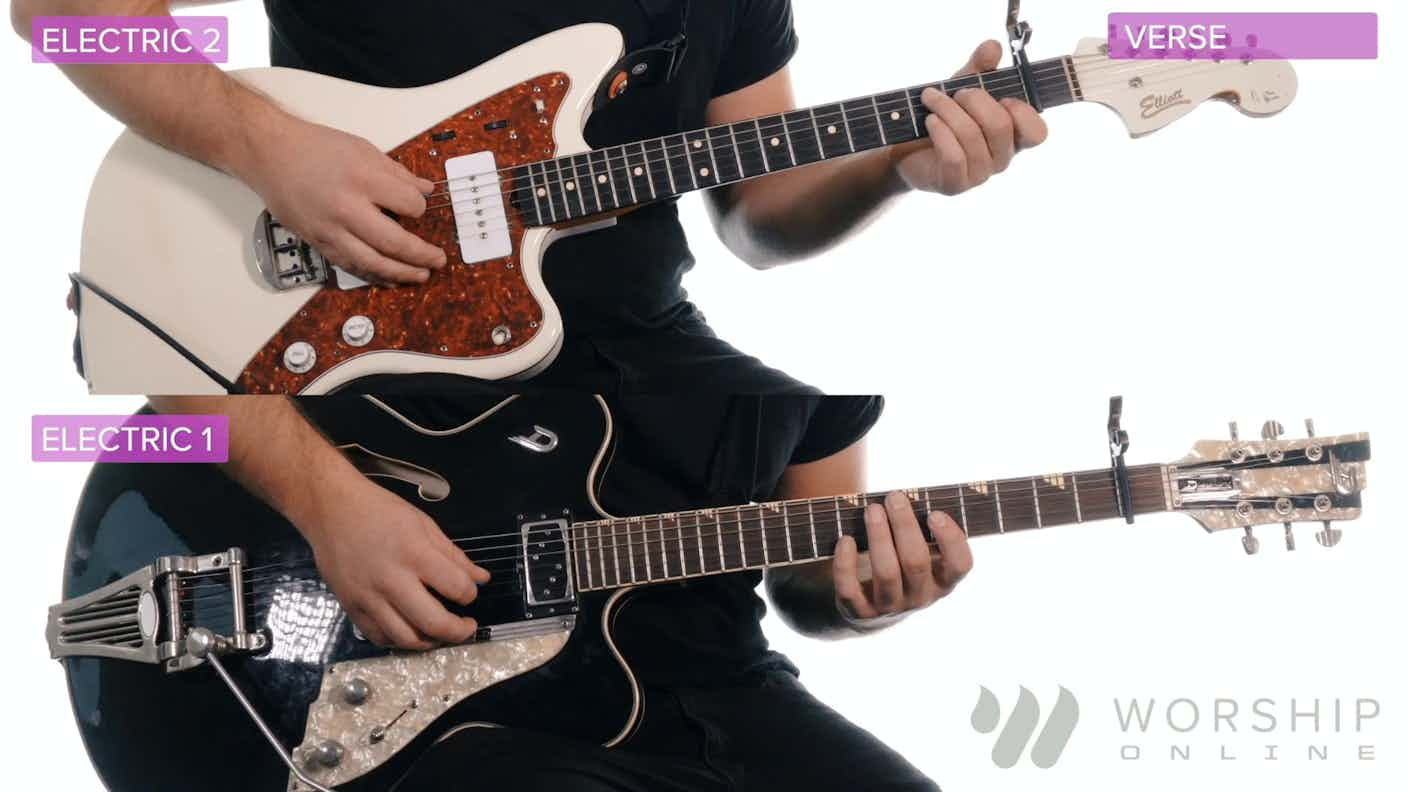
CHORUS 1 2X
{st:Alle Alle Alleluia}
You get all the praise
We say
Alle Alle Alleluia
You get all the praise
Always
You get all the praise
We say
Alle Alle Alleluia
You get all the praise
Always
VERSE 1
I've got a God who is for me
He's known for making a way
He fought the battle
So I wouldn't have to
All glory belongs to His Name
He's known for making a way
He fought the battle
So I wouldn't have to
All glory belongs to His Name
VERSE 2
I've got a God who's been faithful
Far more than I could explain
Through every season
In spite of my weakness
He gave me a song I could sing
Far more than I could explain
Through every season
In spite of my weakness
He gave me a song I could sing
PRE-CHORUS
I came to praise
I came to praise
That's why I woke up today
I came to praise
We say
I came to praise
That's why I woke up today
I came to praise
We say
CHORUS 1
Alle Alle Alleluia
You get all the praise
We say
Alle Alle Alleluia
You get all the praise
Always
You get all the praise
We say
Alle Alle Alleluia
You get all the praise
Always
VERSE 3
I've got a King who is risen
He put my shame in the grave
Went to hell and back
And now I never have to
And He did it all in three days
He put my shame in the grave
Went to hell and back
And now I never have to
And He did it all in three days
PRE-CHORUS
I came to praise
I came to praise
That's why I woke up today
I came to praise
We say
I came to praise
That's why I woke up today
I came to praise
We say
CHORUS 1
Alle Alle Alleluia
You get all the praise
We say
Alle Alle Alleluia
You get all the praise
Always
You get all the praise
We say
Alle Alle Alleluia
You get all the praise
Always
BRIDGE 2X
I'm singing in the morning
I'm singing at night
I'm singing in the battle
That's how I fight
I'm singing He's holy
I'm singing it twice
I'm singing He's holy
The rest of my life
I'm singing at night
I'm singing in the battle
That's how I fight
I'm singing He's holy
I'm singing it twice
I'm singing He's holy
The rest of my life
TAG
I'm singing He's holy
The rest of my life
The rest of my life
CHORUS 2
Alle Alle Alleluia
You get all the praise
We say
Alle Alle Alleluia
You get all the praise
Always
You get all the praise
We say
Alle Alle Alleluia
You get all the praise
Always
CHORUS 1
Alle Alle Alleluia
You get all the praise
We say
Alle Alle Alleluia
You get all the praise
Always
You get all the praise
We say
Alle Alle Alleluia
You get all the praise
Always
BRIDGE
I'm singing in the morning
I'm singing at night
I'm singing in the battle
That's how I fight
I'm singing He's holy
I'm singing it twice
I'm singing He's holy
The rest of my life
I'm singing at night
I'm singing in the battle
That's how I fight
I'm singing He's holy
I'm singing it twice
I'm singing He's holy
The rest of my life
CHORUS 3
Alle Alle Alleluia
You get all the praise
Always
You get all the praise
Always
OUTRO
I came to praise
I came to praise
Devil get out of my way
I came to praise
I came to praise
Devil get out of my way
I came to praise
Alleluia - In the Bible [Verses & Devotional]
When Elevation Worship sings “Alle—Alle—Alleluia, You get all the praise,” they’re not just offering a catchy chorus; they’re echoing a long biblical habit of lifting God’s name because of who he is and what he has done. The song names simple, powerful truths—“I’ve got a God who is for me,” “He fought the battle so I wouldn’t have to,” “He’s been faithful,” “He’s risen”—and each of those lines has deep scriptural echoes that help us move from emotion into truth, from music into worship that shapes our lives.
Think about that bold assertion, “I’ve got a God who is for me.” Scripture meets that claim head-on with Romans 8:31: “If God is for us, who can be against us?” The song takes that promise and makes it personal. It remembers that we are not abandoned on the battlefield of life; God’s presence is not theoretical but active. That fits with scenes like the Exodus where God fights for his people (Exodus 14:14, “The Lord will fight for you; you need only to be still”), and with the encouragement in 2 Chronicles 20 where worship itself became the way God routed the enemy—an ancient reminder that praise and God’s deliverance are woven together.
“I’ve got a God who’s been faithful—far more than I could explain,” the song says, and my heart always wants to linger there. Lamentations 3:22–23 celebrates the steadfastness of the Lord’s mercies: “They are new every morning.” Hebrews 10:23 reminds us of the constancy of God’s character: “Let us hold fast the confession of our hope without wavering, for he who promised is faithful.” When the singer admits “in spite of my weakness / He gave me a song I could sing,” it’s a live portrait of 2 Corinthians 12:9—“My grace is sufficient for you, for my power is made perfect in weakness”—and of Psalm 40:3 where God “puts a new song in my mouth.” Praise, then, becomes more than performance; it’s testimony shaped out of memory—remembering what God has done even when our strength is thin.
The repeated “I came to praise / That’s why I woke up today” is an invitation into a posture of life. Scripture calls us to this posture repeatedly. Psalm 95:1–2 invites us to “come, let us sing for joy to the Lord,” and 1 Thessalonians 5:16–18 presses it into daily rhythm: “Rejoice always, pray without ceasing, give thanks in all circumstances.” Praise becomes not a freestanding worship moment but the lens through which we interpret mornings and nights, defeats and victories.
So what does that mean practically? It means cultivating praise as a habit that testifies to truth. It means naming God’s past faithfulness when fear prowls. It means singing in the morning and at night, not as ritualistic duty but as a way to rehearse reality: God is for me, he fights for me, he is faithful, he lives. It means letting the story of the cross and the resurrection interpret our shame, not the other way around. And it means resisting the enemy—not with our bravado, but with the humble, fierce, scripture-shaped acts of submission, remembrance, and proclamation.
So here’s a question to sit with as you walk away from this song: if you believed with your whole heart that God is for you, that he has already fought and won the decisive battle, and that praise is a primary way you align with that victory—how would your day change tomorrow? Where in your life are you being invited to sing, not because everything is fixed, but because the One who is faithful has already given you a new song to sing?