

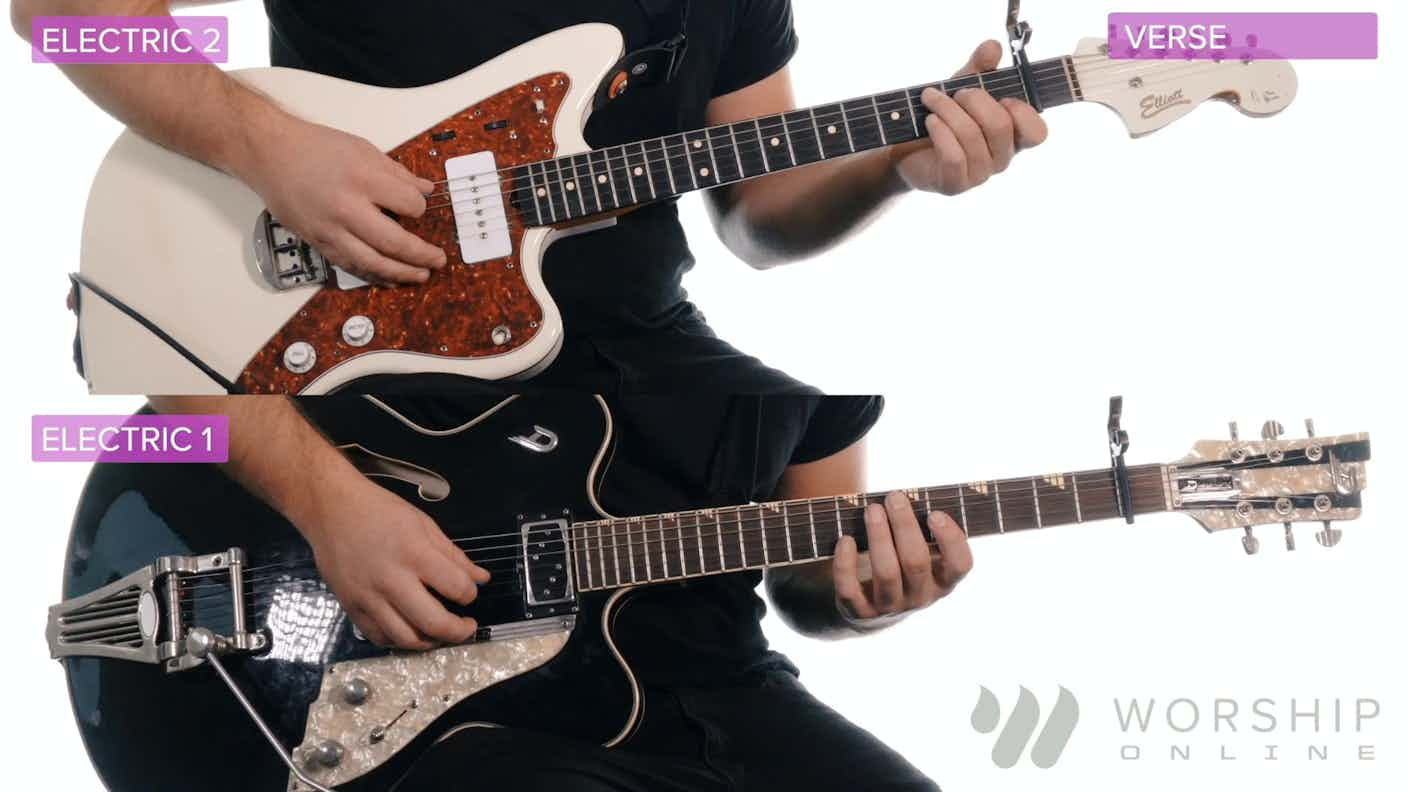
INTRO
VERSE 1
Adonai
Elohim
Great I Am
Lives in me
Elohim
Great I Am
Lives in me
VERSE 2
El Shaddai
Prince of Peace
Emmanuel
Here with me
Prince of Peace
Emmanuel
Here with me
CHORUS
Your Name is great
And greatly to be praised
Your Name is great
And greatly to be praised
And greatly to be praised
Your Name is great
And greatly to be praised
TURNAROUND
VERSE 1
Adonai
Elohim
Great I Am
Lives in me
Elohim
Great I Am
Lives in me
VERSE 2
El Shaddai
Prince of Peace
Emmanuel
Here with me
Prince of Peace
Emmanuel
Here with me
CHORUS 2X
Your Name is great
And greatly to be praised
Your Name is great
And greatly to be praised
And greatly to be praised
Your Name is great
And greatly to be praised
INTERLUDE X2
BRIDGE 1
Worthy You were
Worthy You are
Worthy You will be forever Yahweh
Worthy You were
Worthy You are
Worthy You will be forever Yahweh
Worthy You are
Worthy You will be forever Yahweh
Worthy You were
Worthy You are
Worthy You will be forever Yahweh
BRIDGE 1
Worthy You were
Worthy You are
Worthy You will be forever Yahweh
Worthy You were
Worthy You are
Worthy You will be forever Yahweh
Worthy You are
Worthy You will be forever Yahweh
Worthy You were
Worthy You are
Worthy You will be forever Yahweh
BRIDGE 2 2X
Worthy You were
Worthy You are
Worthy You will be forever
Yah we h
Worthy You are
Worthy You will be forever
Yah we h
CHORUS 2X
Your Name is great
And greatly to be praised
Your Name is great
And greatly to be praised
And greatly to be praised
Your Name is great
And greatly to be praised
BRIDGE 3
Worthy You were
Worthy You are
Worthy You will be forever Yahweh
Worthy You were
Worthy You are
Worthy You will be forever Yahweh
Worthy You are
Worthy You will be forever Yahweh
Worthy You were
Worthy You are
Worthy You will be forever Yahweh
BRIDGE 3
Worthy You were
Worthy You are
Worthy You will be forever Yahweh
Worthy You were
Worthy You are
Worthy You will be forever Yahweh
Worthy You are
Worthy You will be forever Yahweh
Worthy You were
Worthy You are
Worthy You will be forever Yahweh
OUTRO
ENDING
Forever YHWH - In the Bible [Verses & Devotional]
When the song opens with names — Adonai, Elohim, Great I Am — it’s like being handed a map to who God is. Those names aren’t just poetic; they’re rooted in Scripture and point to truths we can cling to. “Great I Am” echoes the moment God reveals himself to Moses: “I AM WHO I AM” (Exodus 3:14). That declaration is not only revelation; it is presence and self-sufficiency. When the singer then says “Lives in me,” the song moves from cosmic truth to intimate reality — the same Self who is unchanging and sovereign has made a home with us (John 14:23; Colossians 1:27). That move from the transcendent to the indwelling is at the heart of Christian hope: the God who is beyond time is also the God who is near.
The verses that call him El Shaddai, Prince of Peace, Emmanuel are short but theologically full. El Shaddai — God Almighty — reminds us of Genesis where God speaks as the all-sufficient One who blesses and protects (Genesis 17:1). Prince of Peace is Isaiah’s promise of the child who brings shalom to a fractured world (Isaiah 9:6). Emmanuel — “God with us” — is the Gospel’s headline (Matthew 1:23). The song layers these names so worshipers can move from awe at God’s power to rest in his presence: he rules, he reconciles, he stays. That layering mirrors Scripture’s own way of revealing God in multiple dimensions so we can know and trust him in every season.
“Your Name is great, and greatly to be praised” is a refrain that connects directly to the Psalms’ litany of praise (Psalm 145:3; Psalm 99:3). The Bible repeatedly links the greatness of God’s name with the act of praise — not praise as mere ritual but as honest acknowledgment of who God is and what he has done (Psalm 148:13). Philippians 2:10–11 completes the thought theologically: every knee will bow and every tongue confess. When the song repeats that line, it trains our hearts to rehearse God’s glory until praise becomes our default posture — especially important when life’s noise tempts us to forget.
If this song has stirred anything in you — awe, comfort, conviction — carry that into a moment of honest reflection. Which of God’s names in the song do you most need to claim today, and how will claiming it change one concrete decision or one fear you’re facing this week?