

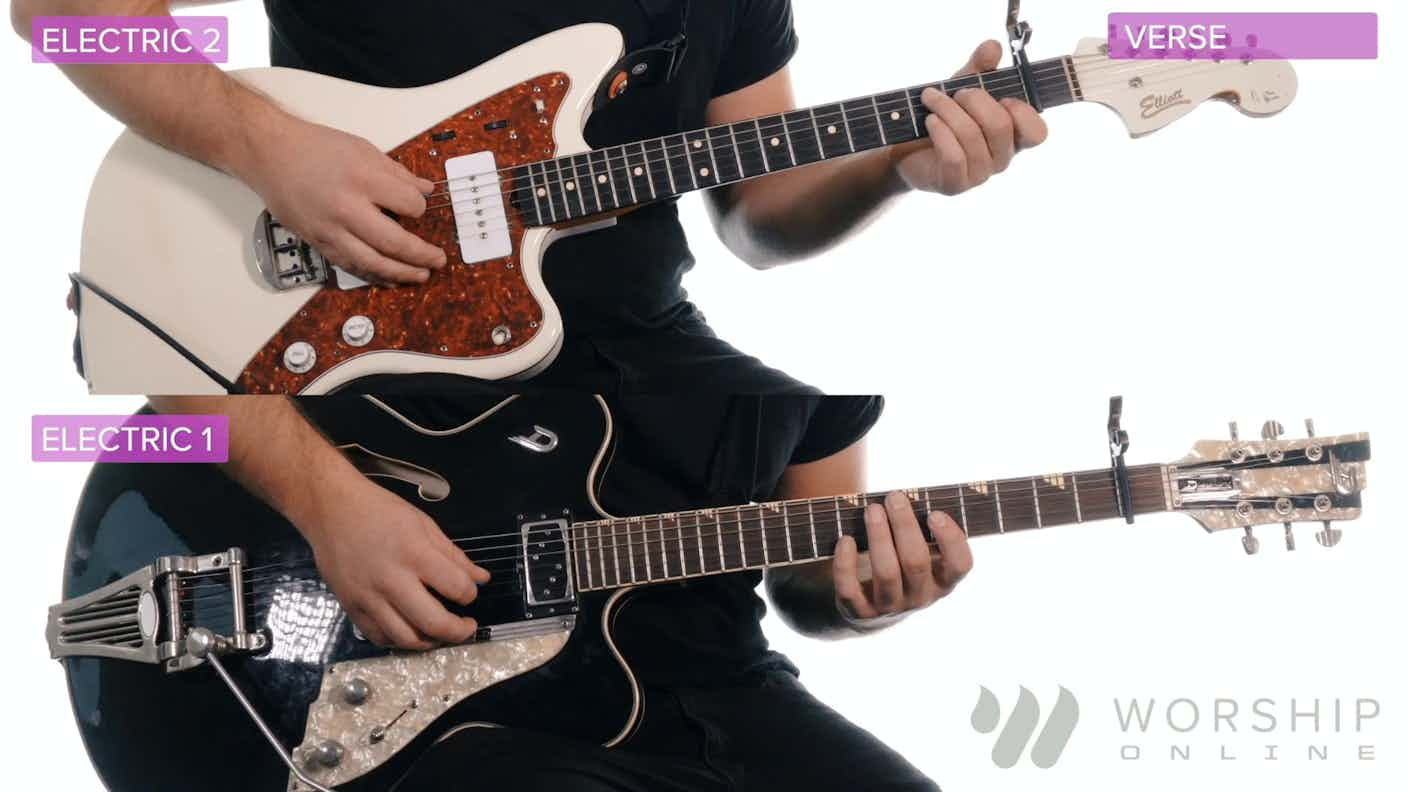
INTRO
VERSE 1
God of the promise
God of the future
You see beginning and end
God of the rescue
God of the breakthrough
How great is Your faithfulness
You're not done yet
God of the future
You see beginning and end
God of the rescue
God of the breakthrough
How great is Your faithfulness
You're not done yet
PRE-CHORUS
No eye has ever seen
No ear has ever heard
No one could ever comprehend
Your word will be enough
Your promise we will trust
Greater things are still ahead
No ear has ever heard
No one could ever comprehend
Your word will be enough
Your promise we will trust
Greater things are still ahead
CHORUS 1
You're not done yet
You're not done yet
You're not done yet
VERSE 2
God in my seeking
God in my dreaming
You put a song in my soul
God in the working
God, I'm believing
You'll do the impossible
You're not done yet
God in my dreaming
You put a song in my soul
God in the working
God, I'm believing
You'll do the impossible
You're not done yet
PRE-CHORUS
No eye has ever seen
No ear has ever heard
No one could ever comprehend
Your word will be enough
Your promise we will trust
Greater things are still ahead
No ear has ever heard
No one could ever comprehend
Your word will be enough
Your promise we will trust
Greater things are still ahead
CHORUS 2
You're not done yet
You're not done yet
You're not done yet
You're not done yet
You're not done yet
You're not done yet
You're not done yet
BRIDGE 1
You're up to something right now
You're doing a new thing right now
God, let Your glory come down
Don't hold back, don't hold back
You're up to something right now
You're doing a new thing right now
God, let Your glory come down
Don't hold back, don't hold back
You're doing a new thing right now
God, let Your glory come down
Don't hold back, don't hold back
You're up to something right now
You're doing a new thing right now
God, let Your glory come down
Don't hold back, don't hold back
BRIDGE 2
You're moving mountains right now
You're breaking chains right now,
right now
God, let Your glory come down
Don't hold back, don't hold back
You're breaking chains right now,
right now
God, let Your glory come down
Don't hold back, don't hold back
PRE-CHORUS
No eye has ever seen
No ear has ever heard
No one could ever comprehend
Your word will be enough
Your promise we will trust
Greater things are still ahead
No ear has ever heard
No one could ever comprehend
Your word will be enough
Your promise we will trust
Greater things are still ahead
CHORUS 3
You're not done yet
You're not done yet
You're not done yet
Greater things are still ahead
You're not done yet
You're not done yet
Greater things are still ahead
ENDING
You're not done yet
Not Done Yet - In the Bible [Verses & Devotional]
There’s something quietly audacious about the refrain “You’re not done yet.” It refuses to let our present disappointment define the whole story; it points us forward into the unfinished, confident work of God. As you listen to Vertical Worship sing “God of the promise / God of the future / You see beginning and end,” Scripture comes alongside like an old, steady friend. Isaiah reminds us that God declares “the end from the beginning” (Isaiah 46:10) and Revelation calls him “the Alpha and the Omega” (Revelation 1:8) — truths that steady our hearts when we feel stuck between what was and what hasn’t yet become. When the song names God as “the rescue” and “the breakthrough,” it echoes the whole biblical storyline of deliverance, from Exodus to the promises fulfilled in Christ: God’s pattern is to move into brokenness and bring freedom (see Isaiah 61:1; Luke 4:18).
When the pre-chorus lifts those lines — “No eye has ever seen / No ear has ever heard / No one could ever comprehend” — it pulls directly from Paul’s reminder that our hope looks beyond sight: “What no eye has seen, what no ear has heard…these things God has revealed to us by his Spirit” (1 Corinthians 2:9–10). That verse doesn’t cheapen our grief or pretend everything is obvious; it reframes our view through the promise that God’s Spirit is already revealing unseen hope and future realities to us. The lyric “Your word will be enough / Your promise we will trust” feels like a natural response to Hebrews’ call to hold fast to the faithful promise of God (Hebrews 10:23) — an invitation to anchor our living in the trustworthiness of a God whose promises do not fail.
The bridges — “You’re up to something right now / You’re doing a new thing right now / God, let Your glory come down” — bring Isaiah 43:19 to mind: “Behold, I am doing a new thing; now it springs forth, do you not perceive it?” That verse isn’t just about big public signs; it’s about God’s subtle, present work in the ordinary and the painful. And when the song cries, “You’re moving mountains right now / You’re breaking chains right now,” Scripture agrees that God moves mountains (Matthew 17:20; Mark 11:23) and that Jesus came to set the captives free (Luke 4:18), unshackling chains of sin, fear, and oppression. Those images in the song aren’t merely poetic; they are theological — reminders that God’s active presence disrupts captivity and rearranges impossibilities.
So, as you carry the song’s refrain through your day, let Scripture deepen the promise behind it. Let 1 Corinthians remind you that the Spirit is revealing hope beyond sight; let Isaiah and Revelation remind you that God transcends time; let Hebrews and Philippians reassure you that God keeps his promises and completes his work; let the psalms and the stories of Acts teach you to sing even in the interim. And one last thing to sit with: if the living God — the One who sees beginnings and ends, who is making all things new and is not finished with you — is already at work right now, what would you stop protecting or controlling today so you could join him in whatever He’s doing next?