

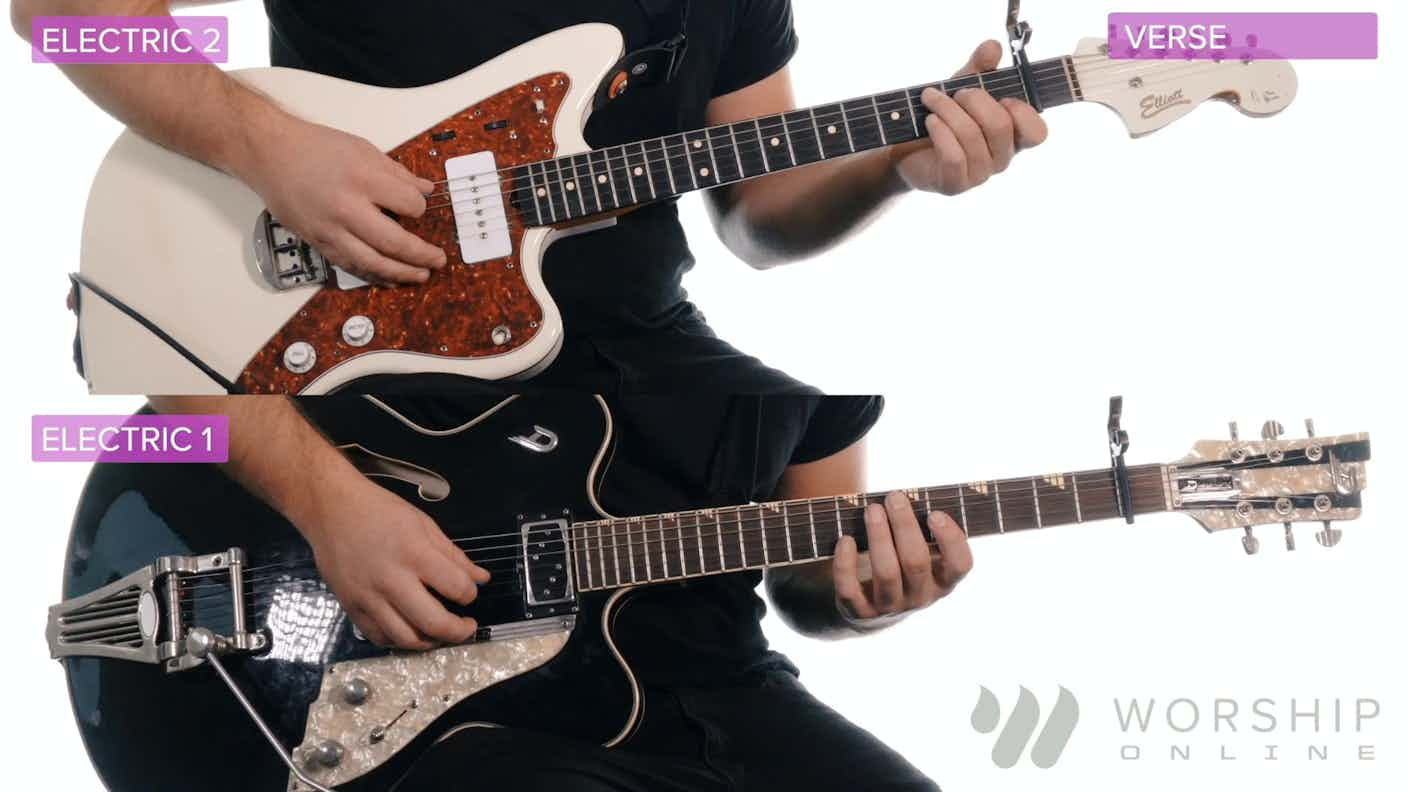
INTRO
VERSE
You are Alpha and Omega
We worship You our Lord
You are worthy to be praised
We worship You our Lord
You are worthy to be praised
VERSE
You are Alpha
and Om---e----ga
We worship You our Lord
You are worthy to be praised
and Om---e----ga
We worship You our Lord
You are worthy to be praised
CHORUS
We give You all the glory
We worship You our Lord
You are worthy to be praised
We worship You our Lord
You are worthy to be praised
CHORUS
We give You all the glory
We worship You our Lord
You are worthy to be praised
We worship You our Lord
You are worthy to be praised
VERSE 2X
You are Alpha
and Om---e----ga
We worship You our Lord
You are worthy to be praised
and Om---e----ga
We worship You our Lord
You are worthy to be praised
CHORUS
We give You all the glory
We worship You our Lord
You are worthy to be praised
We worship You our Lord
You are worthy to be praised
CHORUS
We give You all the glory
We worship You our Lord
You are worthy to be praised
We worship You our Lord
You are worthy to be praised
CHORUS
We give You all the glory
We worship You our Lord
You are worthy to be praised
We worship You our Lord
You are worthy to be praised
CHORUS
We give You all the glory
We worship You our Lord
You are worthy to be praised
We worship You our Lord
You are worthy to be praised
CHORUS
We give You all the glory
We worship You our Lord
You are worthy to be praised
We worship You our Lord
You are worthy to be praised
CHORUS
We give You all the glory
We worship You our Lord
You are worthy to be praised
We worship You our Lord
You are worthy to be praised
CHORUS
We give You all the glory
We worship You our Lord
You are worthy to be praised
We worship You our Lord
You are worthy to be praised
Alpha & Omega - In the Bible [Verses & Devotional]
There’s a beautiful simplicity to John Wilds’ “Alpha & Omega.” The lines are short, the repetition steady: “You are Alpha and Omega… We worship You our Lord… You are worthy to be praised… We give You all the glory.” It reads like a prayer we could sing with little instruction, and that’s part of its power—an uncomplicated return to the truth that God is both the beginning and the end, fully deserving of our worship and praise. When I hear this song, a few biblical truths immediately come to mind that help unpack why those repeated words are more than a lyrical refrain—they’re a confession of who God is and an invitation to live under that reality.
The name “Alpha and Omega” itself is Scripture’s own language for God’s eternal sovereignty. Revelation records the Lord saying, “I am the Alpha and the Omega” (Revelation 1:8; 22:13), which is another way of saying God is the first and the last, the beginning and the end. Isaiah says similarly, “I am the first and I am the last; besides me there is no god” (Isaiah 44:6). These verses anchor the song’s opening declaration in the biblical claim that God transcends time, holds history in his hands, and governs the arc of our lives. So when we sing “You are Alpha and Omega,” we are not only expressing admiration; we are remembering that our stories are framed by One who existed before the first breath and will remain when every last thing passes away.
That confidence naturally leads to worship. The song’s persistent line, “We worship You our Lord,” echoes the call of Scripture to bow and give God the honor he deserves: “Oh come, let us worship and bow down; let us kneel before the LORD, our Maker!” (Psalm 95:6). Worship in the Bible isn’t just music or an emotion; it’s an orientation of life—kneeling, surrendering, acknowledging God’s rightful place. Jesus himself points to this priority when he reiterates the call to worship the Lord your God (Matthew 4:10). The song’s repetition helps us practice that orientation: to turn again and again to God as Lord.
“You are worthy to be praised” and “We give You all the glory” are not mere flattery; they are theological statements rooted in Scripture. Revelation unfolds a heavenly scene where multitudes declare the Lamb “worthy” (Revelation 5:9–12), and Romans reminds us that everything originates from, continues through, and exists to the glory of God: “For from him and through him and to him are all things. To him be the glory forever” (Romans 11:36). The Psalms give us the same pattern: “I will bless the LORD at all times; his praise shall continually be in my mouth” (Psalm 34:1), and “Enter his gates with thanksgiving, and his courts with praise!” (Psalm 100:4). That the song continually returns to “We give You all the glory” invites us to make praise a posture—not just a line in a chorus, but the default response of our hearts.
As you carry the melody of this song in your mind, consider not only the beauty of the words but their demand: to see life through God’s Alpha-to-Omega lens, to make praise habitual, and to let worship shape the way you live. If you believe the One you sing about is truly the beginning and the end, how might that change the way you spend your time, assign your credit, and face your fears?
Here’s a question to sit with: If God is truly your Alpha and Omega, what part of your life are you still holding onto and trying to be the “beginning and end” of yourself—what would it look like to release that part to him and give him all the glory today?