

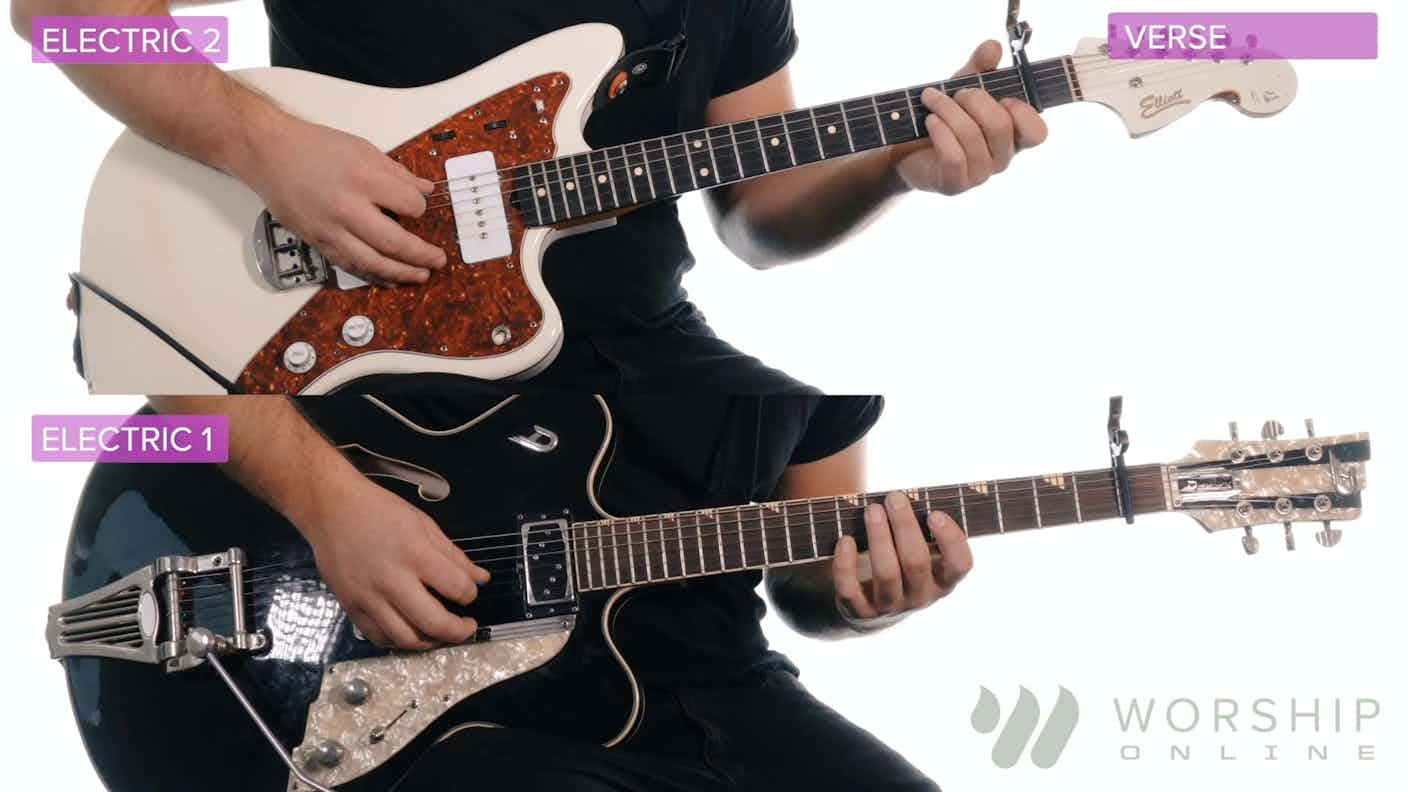
INTRO
VERSE 1
Glory, glory in the high-est
The Savior of the world has come
Born to rescue and revive us
Born to bring heaven to earth
The Savior of the world has come
Born to rescue and revive us
Born to bring heaven to earth
CHORUS
The King of kings, Emmanuel
Let praises be the gift we bring
The Prince of Peace, the Great I Am
Let praises be the gift we bring
Let praises be the gift we bring
The Prince of Peace, the Great I Am
Let praises be the gift we bring
REFRAIN
Glory, glory in the high-est
The Savior of the world has come
The Savior of the world has come
TURNAROUND
VERSE 2
More than gold that can be giv - en
More than frankincense and myrrh
We join the song with
choirs of an - gels
We join with hallelujahs
More than frankincense and myrrh
We join the song with
choirs of an - gels
We join with hallelujahs
CHORUS 2X
The King of kings, Emmanuel
Let praises be the gift we bring
The Prince of Peace, the Great I Am
Let praises be the gift we bring
Let praises be the gift we bring
The Prince of Peace, the Great I Am
Let praises be the gift we bring
BRIDGE 1 2X
Glory, glory in the high-est
Let praises be the gift we bring
Glory, glory in the high-est
Let praises be the gift we bring
Let praises be the gift we bring
Glory, glory in the high-est
Let praises be the gift we bring
BRIDGE 2
Holy, holy, holy
Holy, holy, holy
Holy, holy, holy
We join and sing
Worthy, worthy, worthy
Worthy, worthy, worthy
Worthy, worthy, worthy
The gift we bring
Holy, holy, holy
Holy, holy, holy
We join and sing
Worthy, worthy, worthy
Worthy, worthy, worthy
Worthy, worthy, worthy
The gift we bring
REFRAIN
Glory, glory in the high-est
The Savior of the world has come
The Savior of the world has come
OUTRO
The Gift We Bring - In the Bible [Verses & Devotional]
Whenever I hear "The Gift We Bring," I'm pulled into that first Christmas night—the sky split open with glory, angels singing, and God Himself stepping into our story. The song's refrain—"Glory, glory in the highest / The Savior of the world has come"—takes me straight to the angelic chorus in Luke 2:13–14, where heaven announces the arrival of a Savior and proclaims peace on earth. That same announcement echoes Isaiah’s promise of a child who is "Wonderful Counselor, Mighty God, Everlasting Father, Prince of Peace" (Isaiah 9:6), a title the song claims when it names Jesus "The King of kings, Emmanuel…The Prince of Peace, the Great I Am."
Calling Jesus "Emmanuel" and "the Great I Am" ties the carol’s wonder to the Bible’s truth: Emmanuel—God with us—fulfills Isaiah 7:14 and Matthew 1:23, and "I AM" points us to the God of Moses who is self-existent (Exodus 3:14) and to Jesus’ own declaration of deity (John 8:58). When the lyrics say He was "born to rescue and revive us" and "born to bring heaven to earth," think of John 1:14—"The Word became flesh and dwelt among us"—and Colossians 1:19–20, where through Christ God reconciles all things to Himself. Christmas isn’t just a lovely story; it’s the hinge of heaven meeting earth to restore and redeem.
The song’s insistence that "Let praises be the gift we bring" is a powerful redirection. The Magi offered gold, frankincense, and myrrh (Matthew 2:11), but this song nudges us to offer something even more fitting: praise. Scripture commends praise as true offering—"through Jesus, therefore, let us continually offer to God a sacrifice of praise" (Hebrews 13:15). Praise is not less than a physical gift; it’s the heart’s response to the gift of God himself. When the singers join "with choirs of angels" and cry "Holy, holy, holy" we’re standing in the stream of heavenly worship—Isaiah 6:3 and Revelation 4:8—where all creation recognizes God’s holiness and worthiness. That refrain of "Worthy, worthy, worthy" lands us at Revelation 5:12: the Lamb is worthy because He bought us by His blood.
So the song and the Scriptures meet in this beautiful truth: Christmas calls us into worship. The manger points back to the very throne room language of heaven, and our simplest praise joins the eternal song. If praise is indeed the gift we bring—more precious than gold, more fragrant than incense—how will that reshape what you give this season? Will you bring words of thanksgiving, acts of mercy, time in silence before God, or a life surrendered so others can see Emmanuel in you?