

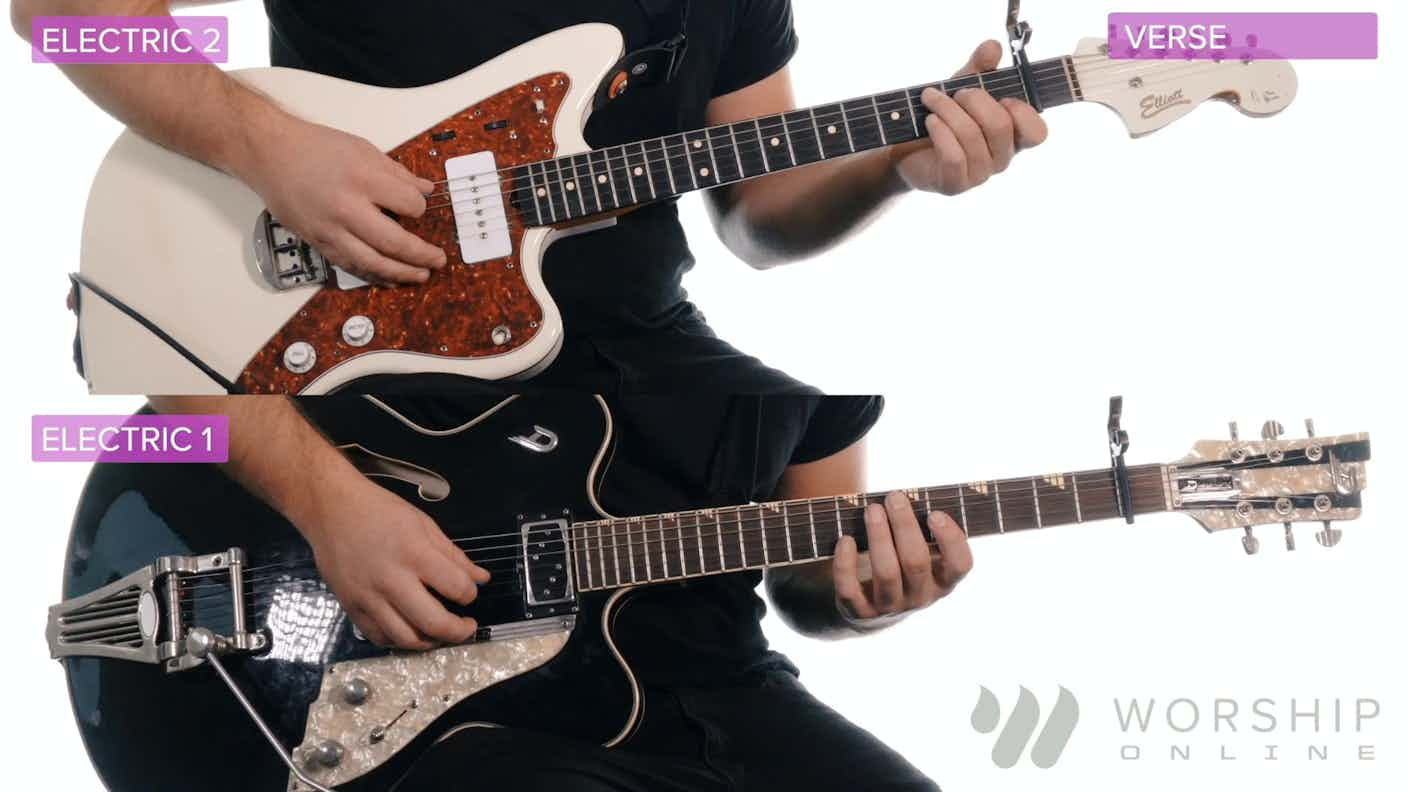
INTRO 2X
VERSE 1
On a hill for sinners
His body broken
A King forsaken
As He hung on that cross
The veil in pieces
The temple shaken
They mourned the Saviour
But it wasn’t for long
His body broken
A King forsaken
As He hung on that cross
The veil in pieces
The temple shaken
They mourned the Saviour
But it wasn’t for long
CHORUS 1
Oh He lives
He’s risen from the grave
Victorious our Saviour reigns
Oh yes He reigns
He rose, the stone is rolled away
Forever our Redeemer lives
Oh yes He lives
He’s risen from the grave
Victorious our Saviour reigns
Oh yes He reigns
He rose, the stone is rolled away
Forever our Redeemer lives
Oh yes He lives
TURNAROUND
VERSE 2
There in the silence
It wasn’t over
Oh our Redeemer
Was getting ready to rise
And on that morning
They came to find Him
But that tomb was empty
‘Cause He is alive
It wasn’t over
Oh our Redeemer
Was getting ready to rise
And on that morning
They came to find Him
But that tomb was empty
‘Cause He is alive
TAG
That tomb was empty
‘Cause He is alive
‘Cause He is alive
CHORUS 2
Oh He lives
He’s risen from the grave
Victorious our Saviour reigns
Oh yes He reigns
He rose, the stone is rolled away
Forever our Redeemer lives
Oh yes He lives
He’s risen from the grave
Victorious our Saviour reigns
Oh yes He reigns
He rose, the stone is rolled away
Forever our Redeemer lives
Oh yes He lives
INTERLUDE
BRIDGE 1
Jesus Christ crucified
Through His death there is life
By the blood of the Lamb
We have been forgiven
Our debt has been paid
There is grace upon grace
Only one Name that saves
And His Name is Jesus
Through His death there is life
By the blood of the Lamb
We have been forgiven
Our debt has been paid
There is grace upon grace
Only one Name that saves
And His Name is Jesus
BRIDGE 2
Jesus Christ crucified
Through His death there is life
By the blood of the Lamb
We have been forgiven
Our debt has been paid
There is grace upon grace
Only one Name that saves
And His Name is Jesus
Through His death there is life
By the blood of the Lamb
We have been forgiven
Our debt has been paid
There is grace upon grace
Only one Name that saves
And His Name is Jesus
CHORUS 3
Oh He lives
He’s risen from the grave
Victorious our Saviour reigns
Oh yes He reigns
He rose, the stone is rolled away
Forever our Redeemer lives
Oh yes He lives
He’s risen from the grave
Victorious our Saviour reigns
Oh yes He reigns
He rose, the stone is rolled away
Forever our Redeemer lives
Oh yes He lives
CHORUS 4
Oh He lives
He’s risen from the grave
Victorious our Saviour reigns
Oh yes He reigns
He rose, the stone is rolled away
Forever our Redeemer lives
Oh yes He lives
He’s risen from the grave
Victorious our Saviour reigns
Oh yes He reigns
He rose, the stone is rolled away
Forever our Redeemer lives
Oh yes He lives
BRIDGE 3
Jesus Christ crucified
Through His death there is life
By the blood of the Lamb
We have been forgiven
Our debt has been paid
There is grace upon grace
Only one Name that saves
And His Name is Jesus
Through His death there is life
By the blood of the Lamb
We have been forgiven
Our debt has been paid
There is grace upon grace
Only one Name that saves
And His Name is Jesus
Yes He Lives - In the Bible [Verses & Devotional]
Listen to the opening line: “On a hill for sinners / His body broken.” It drops you right into the Gospel story — the shame and solitude of the cross — but the song doesn’t stop there. It pulls you through the grave into the light of resurrection, celebrating a living, reigning Savior. As we sing “Oh He lives,” the lyrics are doing more than retelling an event; they’re pointing us back to the Scriptures that give that event its meaning. If we let the Bible speak into these words, what we find is not just a historical claim but an invitation to a life changed by what God has done.
The picture of Jesus broken for sinners echoes the prophetic witness of Isaiah 53 and the Psalmist’s cry in Psalm 22: Jesus is the one who takes our place. Isaiah 53:5 (“by his wounds we are healed”) and 2 Corinthians 5:21 (“God made him who had no sin to be sin for us”) line up with the song’s plain statement: this was for sinners. The “King forsaken” the lyric mentions points us to the reality that Jesus, though sovereign, experienced abandonment — “My God, my God, why have you forsaken me?” (Matthew 27:46; Psalm 22). That abandonment is part of the cost he bore on our behalf.
When the song sings about “the veil in pieces / the temple shaken,” it is echoing the Gospel account at the moment of Jesus’ death: the curtain of the temple torn, the earth quaking (Matthew 27:50–54). The torn veil is a powerful theological image — the barrier between God and humanity is removed. Hebrews picks up this theme and says because of Jesus we have bold access to God (Hebrews 10:19–20). The song’s quick movement from mourning to hope (“They mourned the Saviour / But it wasn’t for long”) points to the abrupt reversal that Scripture insists on: death does not have the final word.
That reversal — the empty tomb — is at the heart of the chorus: “He’s risen... the stone is rolled away... Forever our Redeemer lives.” The Gospel narratives (Mark 16:1–6; John 20:1–9; Luke 24:1–7) all recount women coming to an empty tomb and hearing the startling announcement that Jesus is alive. John emphasizes the power of that empty tomb to produce belief and awe (John 20). Paul gives the theological framing: Christ’s resurrection is the center of the gospel and the guarantee of our hope (1 Corinthians 15:3–8, especially v. 17: if Christ has not been raised, our faith is futile). The song’s confidence — “Victorious our Saviour reigns / Oh yes He reigns” — finds its counterpart in passages that speak of Jesus enthroned and exalted (Philippians 2:9–11; Ephesians 1:20–23). The cross and the crown belong together.
The bridges crystalize the gospel’s mechanics and its result: “Jesus Christ crucified / Through His death there is life / By the blood of the Lamb / We have been forgiven / Our debt has been paid / There is grace upon grace.” These lines map directly onto New Testament teaching: forgiveness through the blood of Christ (Ephesians 1:7; Hebrews 9:12), the idea of debt canceled (Colossians 2:13–14), and the overflow of grace (John 1:16; Romans 5:20). The claim “Only one Name that saves / And His Name is Jesus” is rooted in Acts 4:12 — there is no other name given among men by which we must be saved. The song frames the cross and resurrection as both once-for-all historical acts and as the ongoing reality that shapes who we are: forgiven people, living under the reign of a risen King.
When we connect the lyrics and the Scriptures more closely, a few deeper spiritual truths come into focus. First, the cross is substitution; Jesus’s suffering was not cosmetic but forensic and relational — he absorbed the cost of sin so we could be reconciled (Romans 5:8–11). Second, the resurrection is not only a past miracle but a present power: “through his death we are dead to sin, and through his resurrection we are alive to God” (Romans 6:4). That’s why the chorus can joyfully declare His ongoing reign — the resurrection secures Jesus’ authority and our hope. Third, the torn veil and the paid debt reorient our identity: we’re no longer defined by exclusion, guilt, or owing; we are forgiven, welcomed, and invited into a new life (Hebrews 4:16; Ephesians 2:8–10).
Practically, this means the song’s celebration should shape how we live. If Jesus truly lives and reigns, then the fears that paralyze us, the shame that silences us, the debts that haunt us — these things are to be held in the light of the empty tomb. Living as people who have been forgiven and raised is not about moral perfection but about practicing resurrection — choosing hope over despair, humility over pride, generosity over hoarding, and obedience over anxiety. The reality of “grace upon grace” frees us to extend grace to others.
So sing these words not as mere nostalgia for an event long ago, but as proclamation: Christ is present, powerful, and personal. Let the cross remind you of how much you are loved; let the empty tomb remind you that death’s grip is broken; let the reign of Jesus remind you that your life has direction and purpose under his kingship.
One question to sit with today: if the tomb is empty and the King truly reigns, what one fear, habit, or burden will you stop carrying because you now know your debt has been paid and you are forgiven?