

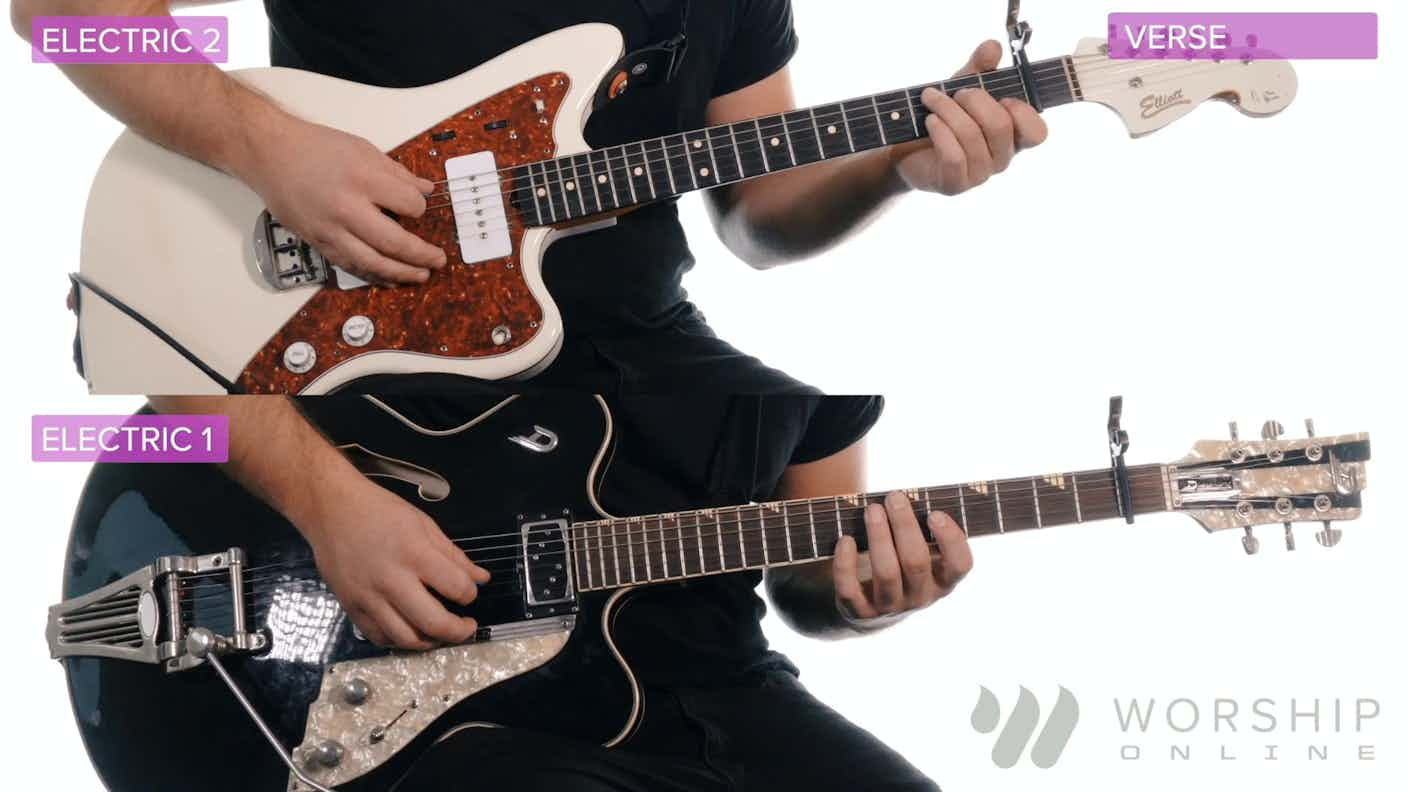
INTRO
CHORUS
The joy of the Lord is the
strength of my heart
And I'm singing my heart out again
You make me glad in the
house of the Lord
And I'll praise You again and again
strength of my heart
And I'm singing my heart out again
You make me glad in the
house of the Lord
And I'll praise You again and again
VERSE 1
The joy of the Lord is
life in His presence
We are a people redeemed
Children of God,
come sing to the Lord
And lift up your voices with me
life in His presence
We are a people redeemed
Children of God,
come sing to the Lord
And lift up your voices with me
TAG 1
Lift up your voices and sing
CHORUS
The joy of the Lord is the
strength of my heart
And I'm singing my heart out again
You make me glad in the [
4/1]house of the Lord
And I'll praise You again and again
strength of my heart
And I'm singing my heart out again
You make me glad in the [
4/1]house of the Lord
And I'll praise You again and again
VERSE 2
The joy of the Lord is the
sound of deliverance
We are the ones He set free
People of God, come
look to the Lord
And lift up your voices with me
sound of deliverance
We are the ones He set free
People of God, come
look to the Lord
And lift up your voices with me
TAG 1
Lift up your voices and sing
CHORUS
The joy of the Lord is the
strength of my heart
And I'm singing my heart out again
You make me glad in the
house of the Lord
And I'll praise You again and again
strength of my heart
And I'm singing my heart out again
You make me glad in the
house of the Lord
And I'll praise You again and again
INTERLUDE
BRIDGE 1 2X
So take off your sackcloth,
shake off the ashes
Put on your garment of praise
Here comes the oil,
the oil of gladness
Put on your garment of praise
shake off the ashes
Put on your garment of praise
Here comes the oil,
the oil of gladness
Put on your garment of praise
TAG 2
Yes we Put on the garment of praise
So put on your garment of praise
So put on your garment of praise
INSTRUMENTAL
BRIDGE 2
The joy of the Lord is my strength
It's carried me all of my days
No sorrow could steal what You gave
Cause I've got a garment of praise
It's carried me all of my days
No sorrow could steal what You gave
Cause I've got a garment of praise
INSTRUMENTAL
BRIDGE 2
The joy of the Lord is my strength
It's carried me all of my days
My sorrow I leave in the grave
So I'll put on a garment of praise
It's carried me all of my days
My sorrow I leave in the grave
So I'll put on a garment of praise
INSTRUMENTAL
BRIDGE 2
The joy of the Lord is my strength
I'm singing my heart out again
I'm glad in the house of the Lord
Praise You again and again
And again and again
I'm singing my heart out again
I'm glad in the house of the Lord
Praise You again and again
And again and again
Garment Of Praise - In the Bible [Verses & Devotional]
There’s something disarming about the way Brooke Ligertwood’s “Garment of Praise” says the same things the Bible has always said, but in a way that makes you want to stand up and sing them out loud. The refrain, “The joy of the Lord is the strength of my heart,” is pulled right from the soil of Scripture — it immediately calls to mind Nehemiah 8:10, where the people are told, “Do not grieve, for the joy of the Lord is your strength.” That line in Nehemiah comes in the context of a community reclaiming their identity and worship after exile; joy is not sentimentalism there but a spiritual, communal strengthening that allows a people to move forward. When the song repeats “I’m singing my heart out again,” it’s not just emotional; it’s an embodied response that echoes that same biblical calling to find renewed strength in God.
The song’s imagery about shaking off sackcloth and putting on a garment of praise is lifted almost verbatim from Isaiah 61:3 — “to grant to those who mourn in Zion...to give them a beautiful headdress instead of ashes, the oil of gladness instead of mourning, the garment of praise instead of a faint spirit.” Isaiah promises a divine exchange: what once marked mourning becomes the very sign of restored joy. Brooke’s bridge (“So take off your sackcloth, shake off the ashes / Put on your garment of praise / Here comes the oil, the oil of gladness”) is an invitation to accept that exchange now, to step out of a posture of grief or defeat and into the identity and evidence of God’s work in us. Psalm 30:11–12 says the same: “You have turned my mourning into dancing; you have loosed my sackcloth and clothed me with gladness.” These images are not Pollyanna platitudes; they are promises about God’s restorative power.
There’s also a theme of deliverance in the lyrics: “The joy of the Lord is the sound of deliverance / We are the ones He set free.” That resonates with Jesus’ own declaration in Luke 4:18 about proclaiming good news to the poor and setting the oppressed free, and with John 8:36, “So if the Son sets you free, you will be free indeed.” The song’s confident “we are the ones He set free” is an identity statement grounded in redemption language elsewhere in Scripture — Ephesians 1:7 (“in whom we have redemption, the forgiveness of sins”) and Romans 8, which reminds us that nothing can separate us from the love that is ours in Christ (Romans 8:38–39). When Brooke declares that “No sorrow could steal what You gave,” she’s singing a theological truth: the gifts of God — redemption, adoption, life — are not easily taken away. That doesn’t erase pain, but it rewires how we inhabit it.
The corporate tone in the song — “children of God, come sing to the Lord” and “You make me glad in the house of the Lord” — pulls in the Psalms and the New Testament habit of communal worship. Psalm 100’s call to “Make a joyful noise to the Lord” and Psalm 95’s “Come, let us sing for joy” are alive here; Hebrews 10:24–25 also reminds us not to neglect gathering together, because worship in community strengthens and shapes faith. “Lift up your voices and sing” is both a practical and theological act: when a community lifts its voice, it’s confessing who God is and reinforcing what it believes together.
There’s an ethical and spiritual discipline under the song’s exhortations. The Bible repeatedly links “putting on” with intentional transformation: Ephesians 4:22–24 and Colossians 3:12–14 talk about putting off the old self and putting on compassion, kindness, and the new self created according to God. To “put on your garment of praise” is an act of faith — it is to choose posture and speech that proclaim a reality greater than present circumstances. This doesn’t deny pain; Scripture allows lament (see the Psalms), but it invites a counter-cultural habit of placing praise before despair as an act of trust.
Practically, then, the song is both theology and therapy: theology because it names who God is and what He has done (redeemer, deliverer, giver of joy), and therapy because it gives us a posture to take in the middle of life’s heaviness (shake off the ashes, put on praise). Choosing praise becomes a spiritual muscle. As Nehemiah’s community learned, and as Isaiah promised, praise can be a catalyst for communal and personal renewal. It’s not magic; it’s a covenant reality we step into: God redeems, so we respond with worship that reshapes our hearts.
So as you listen to “Garment of Praise,” let the song point you back to these Scriptures: Nehemiah 8:10’s strength-giving joy, Isaiah 61:3 and Psalm 30:11–12’s exchange of ashes for praise and gladness, John 8:36 and Ephesians 1:7’s freedom and redemption, and the Psalms’ repeated calls to lift up voice and enter God’s presence. Notice how the song’s repeated phrases—“again and again,” “lift up your voices”—are themselves exercises in formation. Singing “again and again” trains faith to recognize joy as a resource, not merely an occasional emotion.
If you want to let the song do its work in you, try this: stand (or sit) and name one sorrow or habit that feels like “ashes” right now, and then pray Isaiah 61 over it — asking God to bring the “oil of gladness” and to clothe you in praise. Invite a trusted friend or your church community to speak and sing that promise with you; the Scriptures show that God often moves in and through gathered proclamation.
Here’s a question to sit with, sing over, and let change you: what specific “ash” in your life are you holding onto that needs to be shaken off, and if you truly believed God wanted to exchange it for a garment of praise, what would you do differently today to put that garment on?