

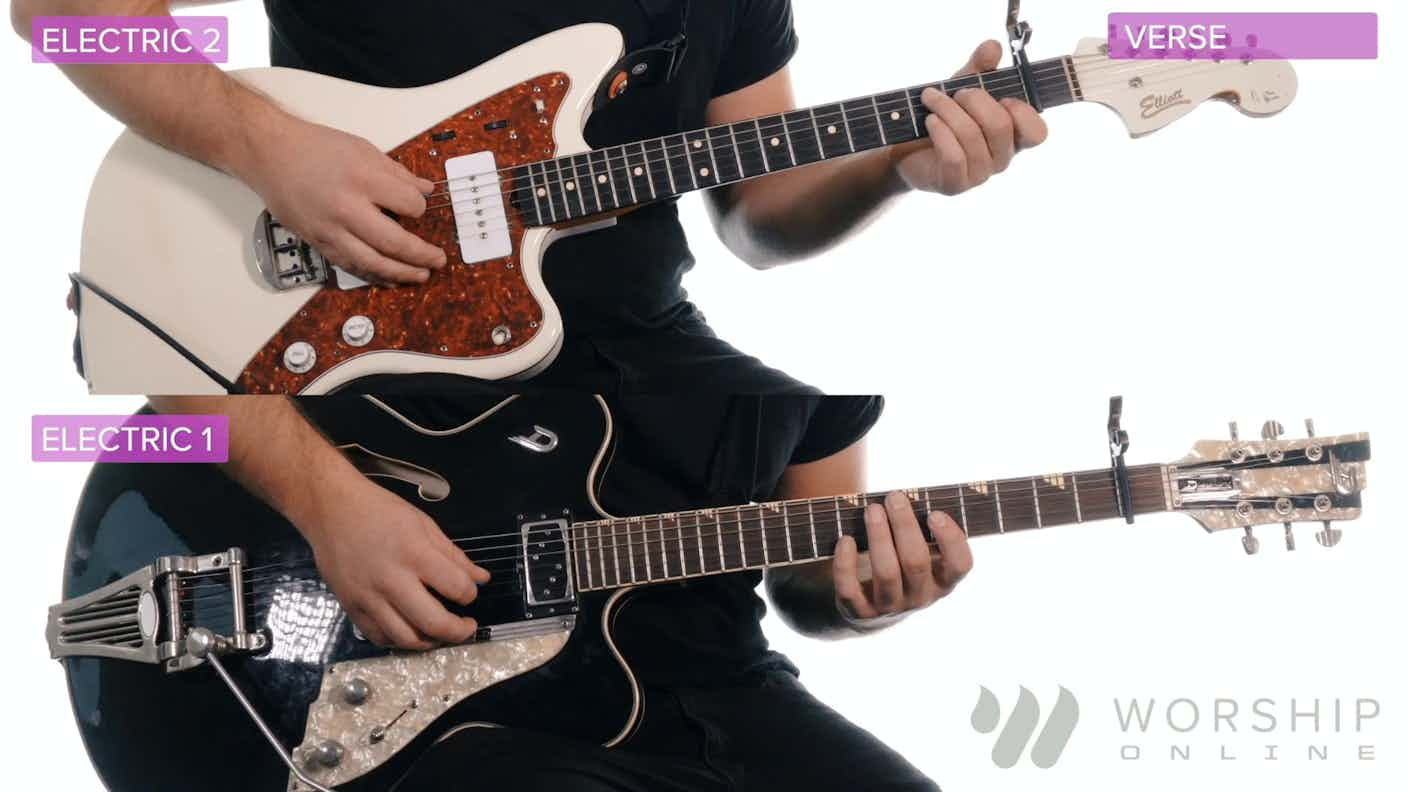
INTRO
VERSE 1
Be Thou my Vision
O Lord of my heart
Naught be all else to me
Save that Thou art
Thou my best Thought
By day or by night
Waking or sleeping
Thy presence my light
O Lord of my heart
Naught be all else to me
Save that Thou art
Thou my best Thought
By day or by night
Waking or sleeping
Thy presence my light
VERSE 2
Be Thou my Wisdom
And Thou my true Word
I ever with Thee
And Thou with me, Lord
Thou my great Father
And I Thy true son
Thou in me dwelling
And I with Thee one
And Thou my true Word
I ever with Thee
And Thou with me, Lord
Thou my great Father
And I Thy true son
Thou in me dwelling
And I with Thee one
CHORUS 1
Lord God, most worthy
Of honor and praise
You are my portion
Now and always
You are my vision
My greatest re-ward
Beautiful Savior
My heart's one desire
Of honor and praise
You are my portion
Now and always
You are my vision
My greatest re-ward
Beautiful Savior
My heart's one desire
INSTRUMENTAL
VERSE 3
Riches I heed not
Nor vain, empty praise
Thou mine inheritance
Now and always
Thou and thou only
First in my heart
High King of Heaven
My treasure thou art
Nor vain, empty praise
Thou mine inheritance
Now and always
Thou and thou only
First in my heart
High King of Heaven
My treasure thou art
CHORUS 2
Lord God, most worthy
Of honor and praise
You are my portion
Now and always
You are my vision
My greatest re-ward
Beautiful Savior
My heart's one desire
Of honor and praise
You are my portion
Now and always
You are my vision
My greatest re-ward
Beautiful Savior
My heart's one desire
CHORUS 3
Lord God, most worthy
Of honor and praise
You are my portion
Now and always
You are my vision
My greatest re-ward
Beautiful Savior
My heart's one desire
Of honor and praise
You are my portion
Now and always
You are my vision
My greatest re-ward
Beautiful Savior
My heart's one desire
VERSE 4
High King of Heaven
My victory won
May I reach Heaven's joys
O bright Heaven's Sun
Heart of my own heart
Whatever be-fall
Still be my vision
O Ruler of all
My victory won
May I reach Heaven's joys
O bright Heaven's Sun
Heart of my own heart
Whatever be-fall
Still be my vision
O Ruler of all
My Vision - In the Bible [Verses & Devotional]
There’s something arresting about beginning a song with a prayer: “Be Thou my vision.” It’s not passive—it's a petition to reorder our inner gaze, to let God shape how we see everything. That simple request in the song builds into a portrait of intimacy (God as Father), dependence (God as Wisdom and Word), and devotion (God as our portion and treasure). When I hear those lines, a few biblical truths come to mind that help the prayer go deeper and become practical.
When the hymn asks God to be our vision, it echoes the call to fix our eyes on the Lord. Psalm 16:8 says, in effect, “I keep the Lord always before me,” and Hebrews 12:2 encourages us to run the race looking to Jesus, the pioneer and perfecter of our faith. The song’s language—“Waking or sleeping, Thy presence my light”—reminds us that true orientation isn’t occasional but habitual; Scripture invites the same constancy. Seeing God as our reference point changes how we interpret success, failure, fear, and joy because our perspective originates in who God is, not in circumstances.
Calling God “my Wisdom” and “my true Word” connects to several strands of Scripture: Proverbs tells us that wisdom comes from the Lord (Proverbs 2:6), James urges us to ask God for wisdom (James 1:5), and John shows us the deeper reality—Jesus as the Word made flesh (John 1). The hymn’s plea that God be our wisdom is more than intellectual assent; it’s surrendering decision-making, imagination, and conscience to the One whose Word lights our steps (Psalm 119:105). When we make God our wisdom, prayer and Scripture stop being optional extras and become the lenses through which we make choices.
The song’s image of God as Father and us as “Thy true son” resonates with the gospel promise of adoption. Paul speaks of our receiving the Spirit of adoption, calling God “Abba, Father” (Romans 8:15–17). That familial language in the hymn isn’t merely poetic; it’s transformative. If God is Father, then identity and worth are rooted in relationship, not in performance or others’ praise. That helps make sense of the later lines—“Riches I heed not, nor vain, empty praise”—which echo Jesus’ warning about storing treasures on earth and Paul’s radical revaluation in Philippians 3:8, where he counts all loss as rubbish compared to knowing Christ. The hymn and the epistles both invite a reordering of value: the soul’s inheritance is God himself.
“Thou art my portion” is a biblical theme too. Psalm 119:57 declares, “The Lord is my portion; I promise to keep your words,” and Psalm 73:26 gives that intimate honesty—“My flesh and my heart may fail, but God is the strength of my heart and my portion forever.” When the song repeats that God is our portion “now and always,” it’s confessing that the Christian life is not an accumulation project but a communion posture. We aren’t primarily caretakers of a portfolio of blessings; we’re members of a household whose greatest inheritance is relationship with God.
The hymn also sings victory: “High King of Heaven, My victory won.” That points us to the New Testament hope—Christ’s victory over sin and death (1 Corinthians 15:57) and the picture of the triumphant King in Revelation. Worshiping a Christ who has already won the decisive battle gives our present struggles a horizon. It doesn’t erase pain, but it shapes endurance and courage, because the story is moving toward resurrection and restoration.
All of this folds into the simple, urgent request the song returns to: that God be our vision—our governing perspective in every season. Scripture models the same kind of prayerfulness and offers the why and the how. Why make God our vision? Because he is trustworthy, wise, loving, and victorious. How do we do it? By keeping him before us in prayer (Psalm 16), by asking for and receiving his wisdom (James 1), by dwelling in his Word (John 1; Psalm 119), by embracing our identity as his children (Romans 8), and by storing our treasure in what endures (Matthew 6).
So here’s the practical encouragement tucked inside the theology: when you wake in the morning, what you let be your first vision matters. If your first glance is at a screen that pings with comparison, your heart will follow that image. If your first posture is a breath and a name—“Be Thou my vision, Lord”—you begin to rehearse the truth that orders everything else. The hymn is not an escape from real needs; it’s a reorientation that equips us to face them rightly.
Let me leave you with a question that invites both honesty and action: if you truly believed Jesus was your vision, your wisdom, and your portion, what one habit would you start today to let that belief reframe the next 24 hours of your life?