

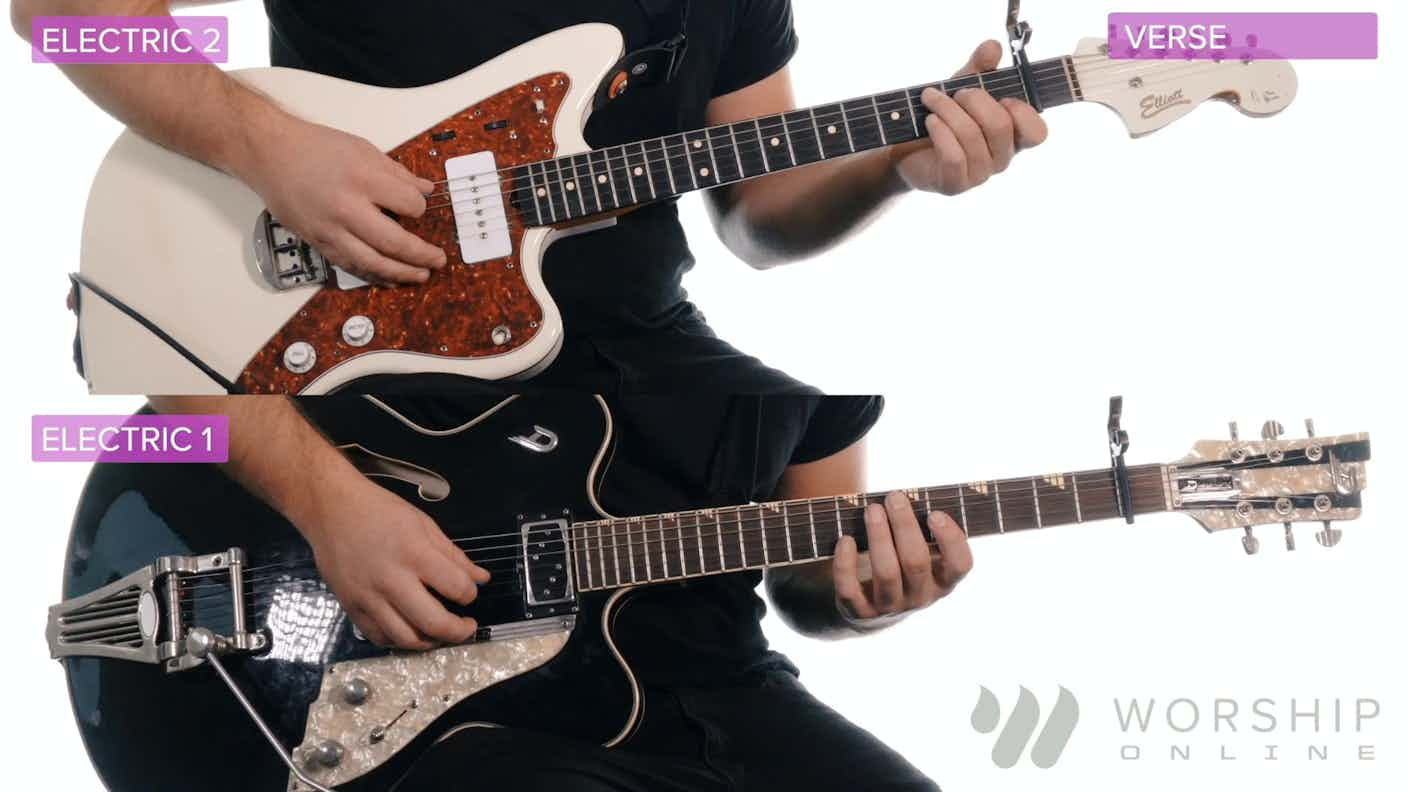
INTRO 2X
VERSE 1
I’m clean
Sin was stained on me
Shame was running deep
But love was spilled on Calvary
Oh hallelujah
Sin was stained on me
Shame was running deep
But love was spilled on Calvary
Oh hallelujah
VERSE 2
I’m clean
God how can it be?
I’m ransomed and redeemed
Standing in Your victory
Oh hallelujah
God how can it be?
I’m ransomed and redeemed
Standing in Your victory
Oh hallelujah
CHORUS 1
I’ve been washed in the water
Washed in the blood
I’m as good as new
Oh hallelujah
I’ve been washed in the water
Washed in the blood
All because of You
Oh hallelujah
Washed in the blood
I’m as good as new
Oh hallelujah
I’ve been washed in the water
Washed in the blood
All because of You
Oh hallelujah
VERSE 3
I'm clean
Not what I have done
But what you've done for me
You paid it all up on that tree
Oh hallelujah
Not what I have done
But what you've done for me
You paid it all up on that tree
Oh hallelujah
VERSE 4
I’m clean
Your love has overcome
Your mercy is supreme
I’m dancing in Your victory
Oh hallelujah
Your love has overcome
Your mercy is supreme
I’m dancing in Your victory
Oh hallelujah
CHORUS 2 2X
I’ve been washed in the water
Washed in the blood
I’m as good as new
Oh hallelujah
I’ve been washed in the water
Washed in the blood
All because of You
Oh hallelujah
Washed in the blood
I’m as good as new
Oh hallelujah
I’ve been washed in the water
Washed in the blood
All because of You
Oh hallelujah
INTERLUDE
BRIDGE 4X
You took away my shame
And You nailed it to the cross
Got me running out the grave
Hallelujah here I come
And You nailed it to the cross
Got me running out the grave
Hallelujah here I come
REFRAIN
Hallelujah here I come
Hallelujah here I come
Hallelujah here I come
Hallelujah here I come
Hallelujah here I come
Hallelujah here I come
Hallelujah here I come
INSTRUMENTAL 2X
CHORUS 3
I’ve been washed in the water
Washed in the blood
I’m as good as new
Oh hallelujah
I’ve been washed in the water
Washed in the blood
All because of You
Oh hallelujah
Washed in the blood
I’m as good as new
Oh hallelujah
I’ve been washed in the water
Washed in the blood
All because of You
Oh hallelujah
WASHED - In the Bible [Verses & Devotional]
Listen to the way this song keeps coming back to one simple, glorious claim: I’m clean. That line—repeated like a steady heartbeat through the verses—captures what the gospel announces again and again in Scripture. When the lyrics say “Sin was stained on me / Shame was running deep / But love was spilled on Calvary,” they’re singing the story the Bible tells: we were sinners, Christ loved us while we were sinners, and through his death something decisive happened for us (Romans 5:8). The song’s refrain—“I’ve been washed in the water, washed in the blood”—brings together two biblical pictures of our salvation: the cleansing work of Christ’s blood that forgives and the renewing sign of water (baptism) that pictures being made new. John writes that “the blood of Jesus his Son cleanses us from all sin” (1 John 1:7), while Paul reminds us that God saved us “by the washing of regeneration and renewal of the Holy Spirit” (Titus 3:5). The song simply hands us both truths and asks us to live in them.
There’s a tenderness in “Not what I have done / But what you’ve done for me / You paid it all up on that tree.” That is raw gospel: our right standing with God is not earned by our righteousness but purchased by Christ. Ephesians 1:7 says, “In him we have redemption through his blood, the forgiveness of our trespasses,” and Titus 3:5 cuts through any temptation to trust in our effort: salvation is not “by works of righteousness which we have done, but according to his mercy.” The song’s voice of humility and gratitude points us away from performance and back to the cross where the transaction happened—where shame and debt were dealt with once and for all.
That image of shame being removed and nailed to the cross lands squarely on biblical ground. Colossians puts it in language that sounds like the lines of the bridge: when we were dead in our trespasses, God “made you alive together with him, having forgiven us all our trespasses, by canceling the record of debt that stood against us with its legal demands; this he set aside, nailing it to the cross” (Colossians 2:13–14). The song’s declaration—“You took away my shame / And You nailed it to the cross”—isn’t sentimental; it’s confessional. It names the very thing the cross addresses: the record that accuses us. God didn’t simply cover our sin; in Christ the indictment was removed.
There’s also a kinetic joy threaded through the lyrics—“I’m dancing in Your victory,” “Got me running out the grave,” “Hallelujah here I come.” Those are not spiritual platitudes; they are the expected response to resurrection power. Paul tells us that being united with Christ in his death and resurrection means we are to “walk in newness of life” (Romans 6:4). We are “new creations” (2 Corinthians 5:17). And because Christ has won the decisive victory over sin and death, we can say with thanksgiving, “But thanks be to God, who gives us the victory through our Lord Jesus Christ” (1 Corinthians 15:57). The song’s exuberant “hallelujahs” echo the biblical pattern of worship that follows deliverance.
When the chorus repeats “I’m as good as new,” it’s not cheap optimism; it is the confidence of someone who knows that forgiveness is real and transformative. Isaiah’s promise—“though your sins are like scarlet, they shall be as white as snow” (Isaiah 1:18)—is the same gospel truth the song celebrates. Psalm 103 puts it another way: God removes our transgressions from us “as far as the east is from the west” (Psalm 103:12). To be “as good as new” is to live in the freedom that those Scriptures describe: the old burden is gone, the new life is present, and our identity is re-rooted in what God has done, not in our performance.
So what does that mean for us, practically? The song invites two responses: gratitude and a reorientation of identity. Gratitude because the work is finished in Christ; reorientation because if you truly believe you’ve been washed—by water as a symbol and by the blood as the reality—then everything from how you manage guilt to how you treat others should start to look different. Grace is not a license to drift; it’s the enabling reality that empowers change. When shame is nailed to the cross, we are freed to step into courage, to confess honestly, to seek restoration without hiding, and to worship with unrestrained praise.
As you let the refrain roll over you again, bring into focus the places where you still live like you’re stained rather than washed. What parts of your story are you carrying that the cross has already dealt with? The song’s bold, simple confession—“I’m clean”—is an invitation to practice living from that identity every day: in your private thoughts, in the choices you make when no one’s watching, in the way you speak to others and yourself.
So here’s a question to sit with and pray over: If you fully believed you were “as good as new” because of what Jesus did—because your shame has been nailed to the cross and your debt canceled—what would change in the way you live, love, and pray this week?