

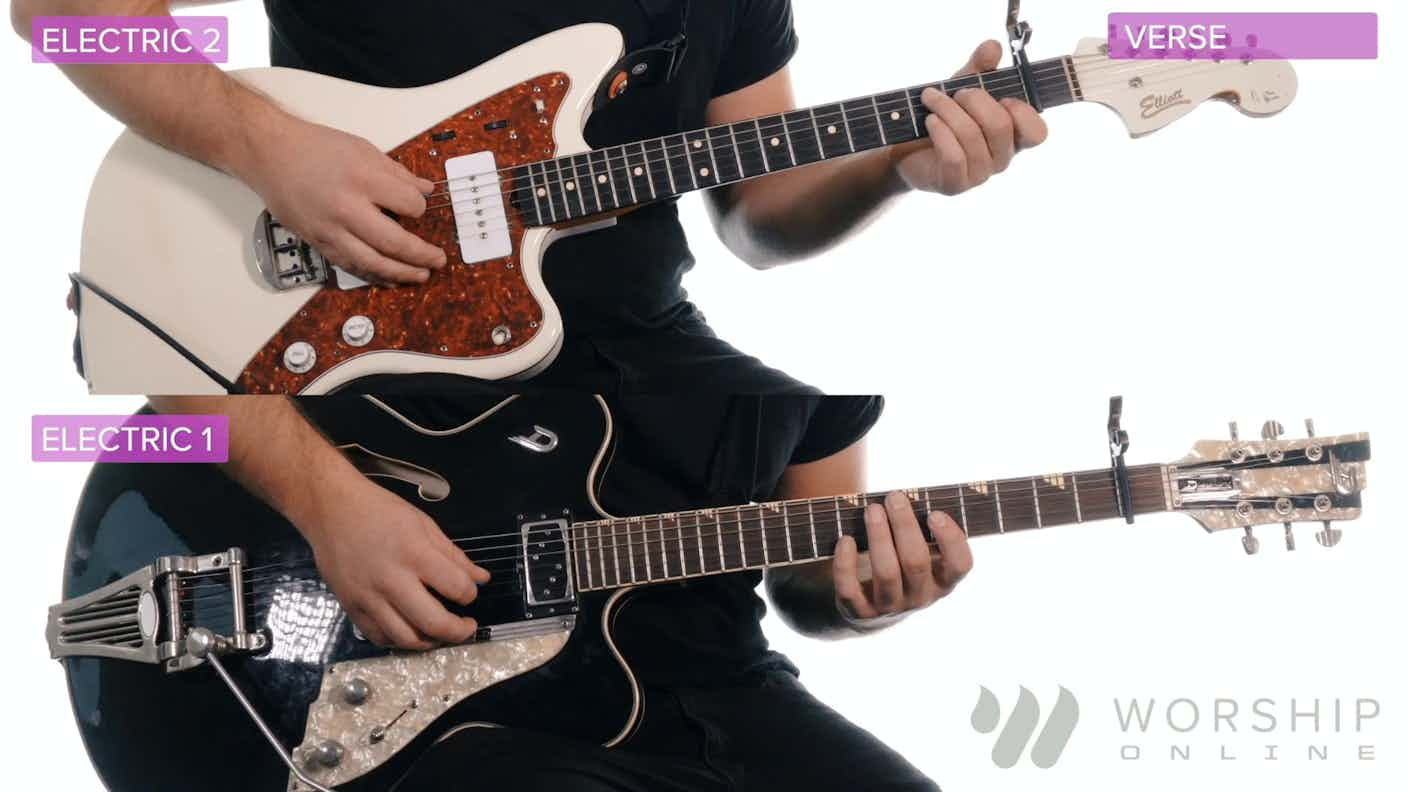
INTRO
VERSE 1
I wanna clap a little louder than
before
I wanna sing a little louder than
before
I wanna jump higher than
before
I wanna shout louder than
before
before
I wanna sing a little louder than
before
I wanna jump higher than
before
I wanna shout louder than
before
CHORUS 1
Freedom Freedom
Freedom
Freedom
Freedom Freedom
Freedom Freedom
Freedom
Freedom
Freedom Freedom
Freedom Freedom
VERSE 2
I wanna clap a little louder than
before
I wanna sing a little louder than
before
I wanna spin a little wilder
than before
Somebody scream louder
before
I wanna sing a little louder than
before
I wanna spin a little wilder
than before
Somebody scream louder
CHORUS 2
Freedom Freedom
Freedom
Freedom
Freedom Freedom
Freedom Freedom
Freedom
Freedom
Freedom Freedom
Freedom Freedom
VERSE 3
I wanna lift my hands higher
than before
I want to love you more than
before
I wanna worship deeper than
before
I gotta scream louder than
before
than before
I want to love you more than
before
I wanna worship deeper than
before
I gotta scream louder than
before
CHORUS 3
Freedom Freedom
Freedom
Freedom
Freedom Freedom
Freedom Freedom
Freedom
Freedom
Freedom Freedom
Freedom Freedom
BRIDGE 1
No more shackles, no more chains
No more bondage
I am free
No more bondage
I am free
BRIDGE 2
No more shackles, no more chains
No more bondage
I am free
No more shackles, no more chains
No more bondage
I am free
No more bondage
I am free
No more shackles, no more chains
No more bondage
I am free
REFRAIN 1
Hallelujah, hallelujah
hallelujah, hallelujah
Hallelujah, hallelujah
hallelujah, hallelujah
hallelujah, hallelujah
Hallelujah, hallelujah
hallelujah, hallelujah
REFRAIN 2
Hallelujah, hallelujah
hallelujah, hallelujah
Hallelujah, hallelujah
hallelujah, hallelujah
hallelujah, hallelujah
Hallelujah, hallelujah
hallelujah, hallelujah
INSTRUMENTAL 1 2X
BRIDGE 1
No more shackles, no more chains
No more bondage
I am free
No more shackles, no more chains
No more bondage
I am free
No more bondage
I am free
No more shackles, no more chains
No more bondage
I am free
BRIDGE 2
No more shackles, no more chains
No more bondage
I am free
No more shackles, no more chains
No more bondage
I am free
No more bondage
I am free
No more shackles, no more chains
No more bondage
I am free
REFRAIN 1
Hallelujah, hallelujah
hallelujah, hallelujah
Hallelujah, hallelujah
Hallelujah, hallelujah
hallelujah, hallelujah
Hallelujah, hallelujah
Hallelujah, hallelujah
REFRAIN 2
Hallelujah, hallelujah
hallelujah, hallelujah
Hallelujah, hallelujah
hallelujah, hallelujah
hallelujah, hallelujah
Hallelujah, hallelujah
hallelujah, hallelujah
INSTRUMENTAL 2
INSTRUMENTAL 3
OUTRO
ENDING
Freedom - In the Bible [Verses & Devotional]
Listen to the raw joy in Eddie James’ Freedom: the simple, repeated lines—“I wanna clap a little louder… I wanna sing a little louder… I wanna lift my hands higher”—aren’t just performance notes, they’re a prayerful stretching. They’re a soul refusing to be small in response to what God has done. The song’s heartbeat is liberation—“No more shackles, no more chains / No more bondage / I am free”—and that declaration of deliverance carries deep biblical echoes.
The Psalms teach a similar abandon in worship. “Clap your hands, all you nations; shout to God with cries of joy” (Psalm 47:1) and “Come, let us sing for joy to the LORD; let us shout aloud to the Rock of our salvation” (Psalm 95:1) capture the same instinct to let praise be loud, bodily, and communal. Eddie James’ desire to “jump higher” and “spin a little wilder” may sound modern, but it’s kin to David’s uninhibited worship—“David danced before the LORD with all his might” (2 Samuel 6:14)—and to the biblical conviction that praise can, and often should, overflow.
When the song moves from celebration to testimony—“No more shackles, no more chains… I am free”—it’s stepping into the great biblical narrative of redemption. Psalm 107 even pictures God rescuing and breaking bonds: “He brought them out of darkness and the shadow of death, and broke their chains” (Psalm 107:14). Isaiah’s prophecy about the Messiah announces a similar mission: “to proclaim freedom for the captives” (Isaiah 61:1), and Jesus echoes that when he reads those words in Luke 4:18, claiming the work of liberation as central to his ministry. Those ancient promises land in our modern mouths when we sing “I am free.”
Paul puts the theology behind that shout in clear, decisive language: “It is for freedom that Christ has set us free. Stand firm, then, and do not let yourselves be burdened again by a yoke of slavery” (Galatians 5:1). And John 8:36 drives the point home with piercing simplicity: “So if the Son sets you free, you will be free indeed.” The song’s confession—repeated, rhythmic, unstoppable—is a lived-out Galatians verse: freedom not as an abstract doctrine but as an embodied reality that moves your hands, your voice, and your steps.
But the song also points us toward the inner mechanics of that freedom: “No more bondage” is not only legal standing before God; it’s a transformation wrought by the Spirit. Paul writes, “the law of the Spirit who gives life has set you free from the law of sin and death” (Romans 8:2), and later, “Where the Spirit of the Lord is, there is freedom” (2 Corinthians 3:17). When Eddie James repeats “Hallelujah,” he’s not only celebrating rescue—he’s acknowledging the presence that makes freedom possible. True worship, as Jesus teaches, is when people “worship the Father in spirit and truth” (John 4:23). The louder clap, the higher lift of hands, the deeper worship the singer longs for are responses to a Spirit who liberates and invites intimacy.
There’s also a boldness in the lyrics that’s worth noting. “I gotta scream louder” and “Somebody scream louder” are not vanity; they’re courage in the face of fear, shame, or silence. Scripture encourages that boldness: “And now, Lord, look on their threats and grant to your servants to continue to speak your word with all boldness” (Acts 4:29). Worship that proclaims freedom resists timidity—because the One who saves does not want our small, guarded devotion but a full-hearted, unashamed offering. Hebrews nudges us in the same direction: “Let us confidently draw near to the throne of grace” (Hebrews 4:16). The singer’s insistence on louder praise is a spiritual posture: approach, unafraid, because grace awaits.
There’s also relational depth in the line, “I want to love you more than before.” Freedom is not an end in itself; it’s meant to deepen love—love for God and love for others. Jesus summarized the law as loving God with all your heart and your neighbor as yourself (Matthew 22:37–39). Paul reminds us that our freedom should never become an excuse for selfishness, but rather an opportunity “through love to serve one another” (Galatians 5:13). So the worshipful shouting and the released dancing are a doorway into loving God more, and letting that love shape how we live.
Finally, the refrain of “Hallelujah” ties the whole thing into the cosmic chorus of Scripture. From the Psalms to Revelation, hallelujahs ring out as the language of heaven and earth proclaiming God’s worth and his victory—“Hallelujah! For the Lord our God the Almighty reigns” (Revelation 19:6). What the song models is simple: when you taste freedom—whether it be deliverance from shame, addiction, fear, condemnation, or hopelessness—the natural response is praise that is loud, persistent, and contagious.
So what do we do with this? We let the song be a template for a practice: worship that grows—louder claps, higher hands, deeper love—as freedom becomes more real. We let biblical truth inform the emotion: our cries of joy are rooted in a Savior who breaks chains (Psalm 107), who declared liberty for the oppressed (Isaiah 61 / Luke 4), who actually sets us free (John 8:36; Galatians 5:1), and who places his Spirit among us so freedom is not merely external but internal (Romans 8; 2 Corinthians 3). We also let worship shape our courage: to scream louder against injustice, to sing louder against despair, to love more in the face of apathy.
Here’s a question to sit with as you carry this song into your life: what “shackles” are still quietly shaping the way you live—fear, shame, isolation, old habits—and what would it look like, today, to deliberately worship louder (with your voice, your choices, your generosity) in the very places you feel bound, trusting that the same Jesus who broke chains is calling you into fuller freedom?